
What Happened
Panama will keep price controls in place for 51 essential medicines starting April 17, with the measure overseen by the Authority for Consumer Protection and Competition Defense, known as Acodeco.
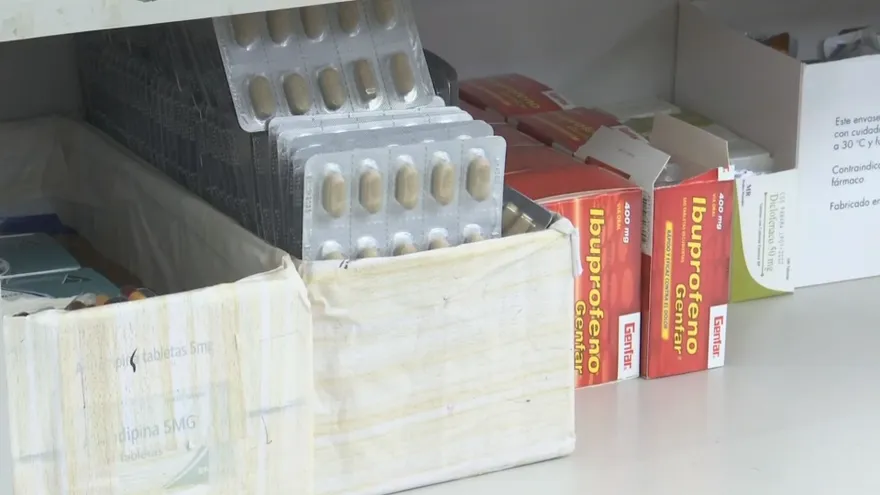
Acodeco will be responsible for checking that pharmacies comply with the established limits across the country. The policy is designed to keep regulated medicines within reach for patients who rely on them for ongoing treatment.
How the Measure Works
Under the price-control system, pharmacies must sell the selected medicines at or below the official ceiling. The enforcement role given to Acodeco makes the agency central to monitoring whether businesses follow the rules in the retail market.
Price caps on essential medicines are one of the government tools used in Panama to address the cost of healthcare for households. For families that purchase prescription drugs regularly, controls can help reduce pressure on monthly budgets.
Why It Matters
The decision affects access to medicine in a country where pharmacy prices can be an important part of overall healthcare spending. By keeping controls on these products, the government aims to limit sharp price increases on treatments considered essential.
The measure also places pharmacies under closer scrutiny, since compliance will determine whether the policy delivers the intended relief to consumers. In practice, the effectiveness of the plan depends on both enforcement and the availability of the regulated medicines in stores nationwide.
Broader Context
Panama has used price regulation in the pharmaceutical sector as a way to protect consumers from high costs on certain basic treatments. The continuation of the controls signals that medicine affordability remains a priority in public policy.
For shoppers, the immediate effect will be at the pharmacy counter, where the listed prices for the 51 essential medicines must remain within the official limits from April 17 onward.