
What Happened
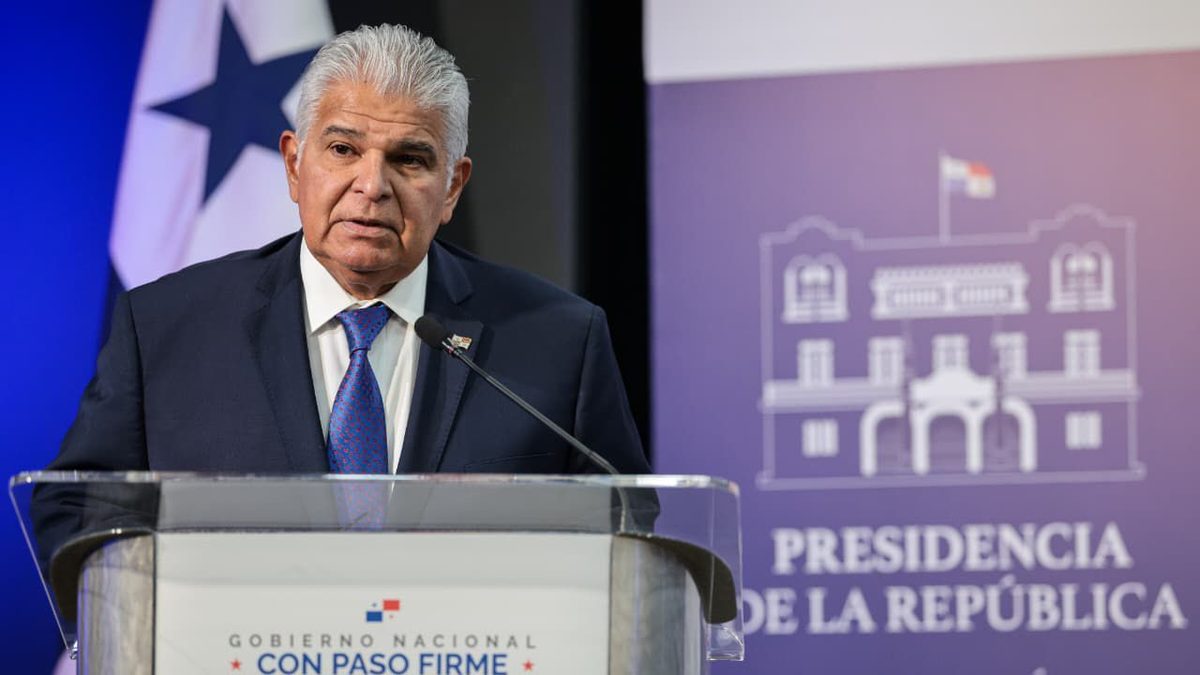
President José Raúl Mulino said there is no active operating contract linking his government to Maersk, pushing back against claims of a formal alliance as the dispute involving Panama Ports Company moves through arbitration. He said the arrangement now in place is only a transitional management period lasting up to 18 months with the new operators.
The comments come at a sensitive moment for Panama’s port sector, where control and operation of key terminals remain central to broader questions about investment, public management, and the future of maritime logistics in the country.
Why It Matters
Panama’s ports are a critical part of the national economy because they support trade flows connected to the Panama Canal and the country’s role as a regional logistics hub. Any change in port operations can affect business confidence, shipping coordination, and government policy debates over infrastructure management.
By stressing that no operating contract is currently in force, Mulino sought to distinguish the transitional setup from a longer-term partnership. The clarification also underscores that the dispute is still active and being handled through arbitration rather than a finalized commercial agreement.
Background
Panama Ports Company has long been one of the most closely watched private operators in the country’s maritime sector. The arbitration process reflects the legal and commercial tensions that can arise when major infrastructure assets are subject to public scrutiny and competing operational interests.
Maersk, one of the world’s largest shipping and logistics companies, is a significant name in global maritime trade. Its involvement in Panama’s port landscape has drawn attention because of the strategic importance of the country’s terminals and their connection to international cargo routes.
What This Means for Panama
The president’s remarks indicate that the government is trying to manage expectations while the arbitration process continues. For Panama, the issue is larger than a single contract: it touches on how strategic assets are managed, how foreign operators fit into national logistics planning, and how the country balances continuity with oversight.
As the dispute advances, the outcome could influence how future port operations are structured and how authorities communicate about major infrastructure arrangements. The case also highlights the importance of clarity in a sector that is central to Panama’s trade and transit identity.