
What Happened
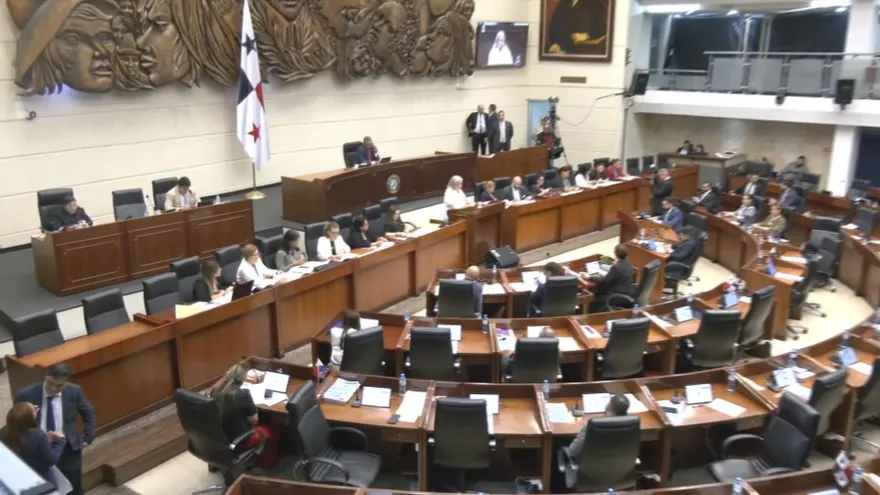
Panama’s National Assembly suspended debate on Bill 491, a proposal tied to increases in pensions and retirements, after lawmakers in the plenary chamber moved to halt the process. The decision came hours after President José Raúl Mulino said the measure had not been consulted with the Executive Branch.
The move places the proposal in a pause at a moment when pension policy remains a sensitive issue for retirees, workers, and the government, which must weigh the fiscal impact of any increase.
Why the Bill Stalled
Mulino’s comments appeared to sharpen tensions around the initiative by signaling that the Executive could oppose it. In Panama, pension reforms often require coordination between branches of government because they can affect public finances and the long-term sustainability of the social security system.
By suspending the bill in plenary, deputies avoided an immediate vote while the possibility of a veto hung over the discussion. That makes consultation and political negotiation central to the bill’s next steps.
Political and Economic Context
Pension and retirement benefits are among the most closely watched social policy issues in Panama. Any proposal to raise payments can generate support from retirees and public-sector workers, while also raising concerns about budget pressure and the country’s fiscal outlook.
The dispute also highlights the balance of power between the legislature and the Executive Branch. When the president publicly questions whether a bill was properly discussed with the government, it can signal a broader clash over procedure, timing, and policy priorities.
What Comes Next
With the initiative suspended, the future of Bill 491 now depends on whether lawmakers and the Executive can reach a political understanding. If the bill returns to debate, deputies would still need to navigate the risk of a presidential veto and the challenge of building enough support to sustain the measure.
The controversy adds another chapter to Panama’s ongoing debate over pensions, a topic that regularly draws public attention because it affects both current retirees and the future of the social security system.