
What Happened
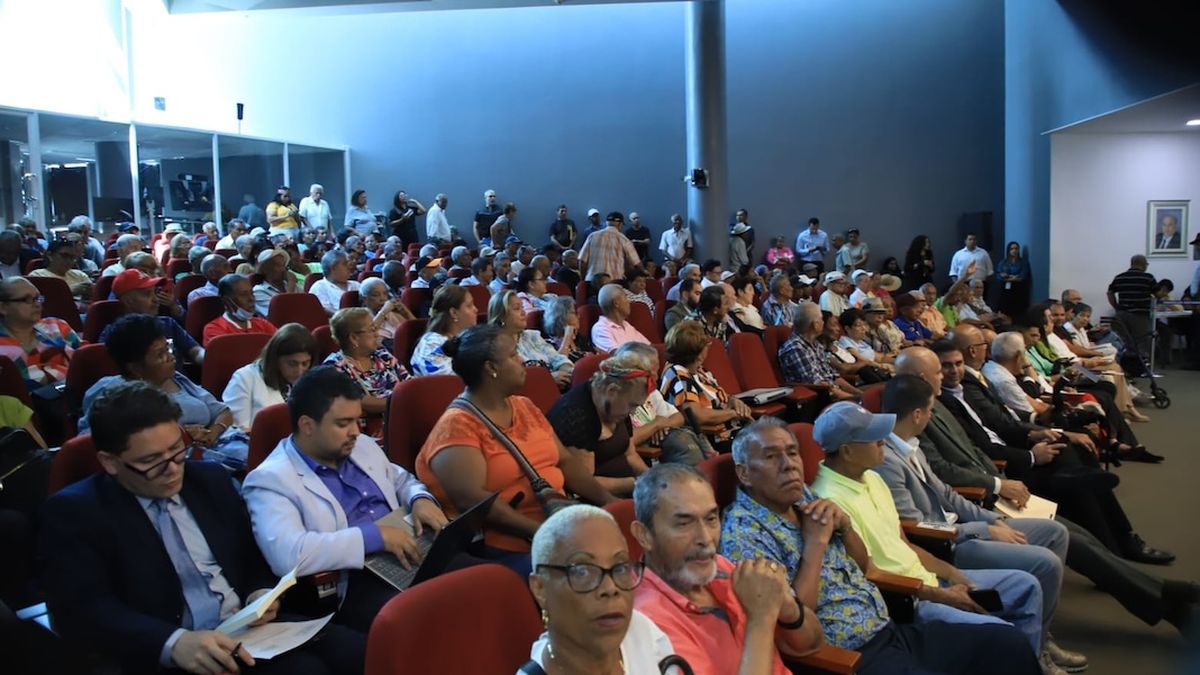
The National Assembly is moving forward with a bill tied to a planned increase for retirees and pensioners in Panama in 2026. The measure is advancing positively as lawmakers continue reviewing the proposal.
The initiative centers on the legal framework that would support the benefit increase for people already receiving pensions and retirement payments in the country.
Why It Matters
Any adjustment for retirees and pensioners carries broad public importance in Panama, where pension policy affects thousands of households that depend on fixed monthly income. Measures of this kind are closely watched because they can influence purchasing power, public spending, and the long-term structure of social support.
The discussion also places the National Assembly at the center of one of the country’s key social policy debates: how to balance fiscal responsibility with pressure to improve income for older adults.
Background
Pension and retirement benefits are a recurring issue in Panama’s legislative agenda, especially when changes are expected to take effect in a future year. Proposals involving increases often require a legal mechanism to define eligibility, timing, and implementation.
The reference to a trust, or fideicomiso, suggests a financing or administrative structure linked to how the increase would be managed. In Panama, such structures are often used to organize resources for a specific public purpose and provide a framework for execution.
What Happens Next
With the bill moving ahead in the National Assembly, the next steps will depend on the legislative process and any further debate among lawmakers. If approved, the measure could shape how pension and retirement payments are adjusted in 2026.
For retirees and pensioners, the proposal represents a potential change in monthly income that could affect basic expenses and financial planning in the coming year.