
What Happened
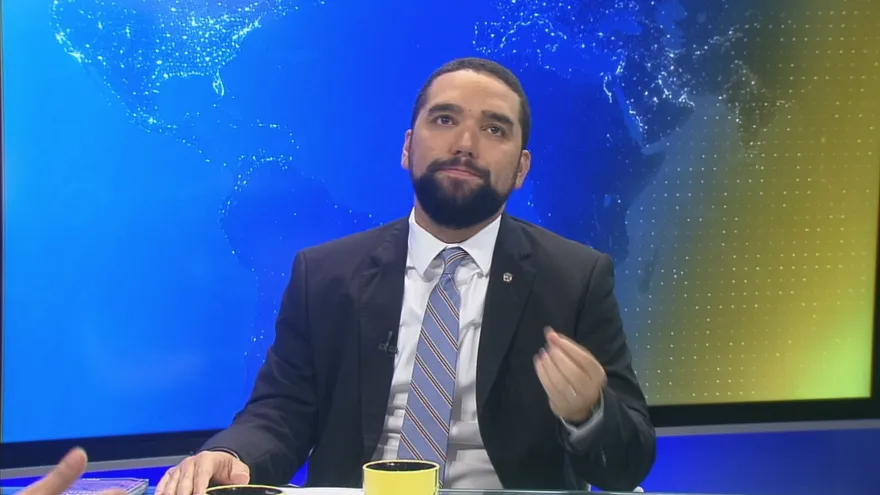
Panamanian deputy Zúñiga criticized the selection of Ángela Russo as the country’s next defensor del Pueblo, saying the decision appeared to be a direct order. His remarks came as he argued that the post requires a more active figure, one who can travel across the country and speak out against injustices.
According to Zúñiga, the ombudsperson’s role should not be limited to a formal title. He said the office needs someone with the ability to stay close to the public and respond more visibly to complaints and human rights concerns.
Why the Role Matters
The defensor del Pueblo is one of the institutions meant to protect citizens and defend their rights. In Panama, the position is expected to act as a public advocate, especially when people face abuse, discrimination, or other unfair treatment.
Zúñiga’s comments reflect a broader debate about the kind of leadership needed in that office. He said the country should open the door to new profiles with experience, suggesting that the next ombudsperson should bring a more active and direct approach to the job.
Political Context
The selection of top oversight officials often draws close attention in Panama because these appointments can shape how institutions respond to public complaints and government conduct. Calls for greater independence and stronger public engagement are common whenever a new ombudsperson is chosen.
Zúñiga’s criticism places emphasis on performance and accessibility rather than only on formal qualification. His comments underscore expectations that the defensor del Pueblo should serve as a visible voice for people across the country, not just from within the capital.
What This Means
The debate over Russo’s selection highlights the importance of accountability in public institutions. For many Panamanians, the ombudsperson’s office is most effective when it can reach communities outside the city center and take up cases that affect ordinary people.
As the discussion continues, attention is likely to remain on whether the office can meet those expectations and whether its leadership will reflect a more active style of public defense.