
What Happened
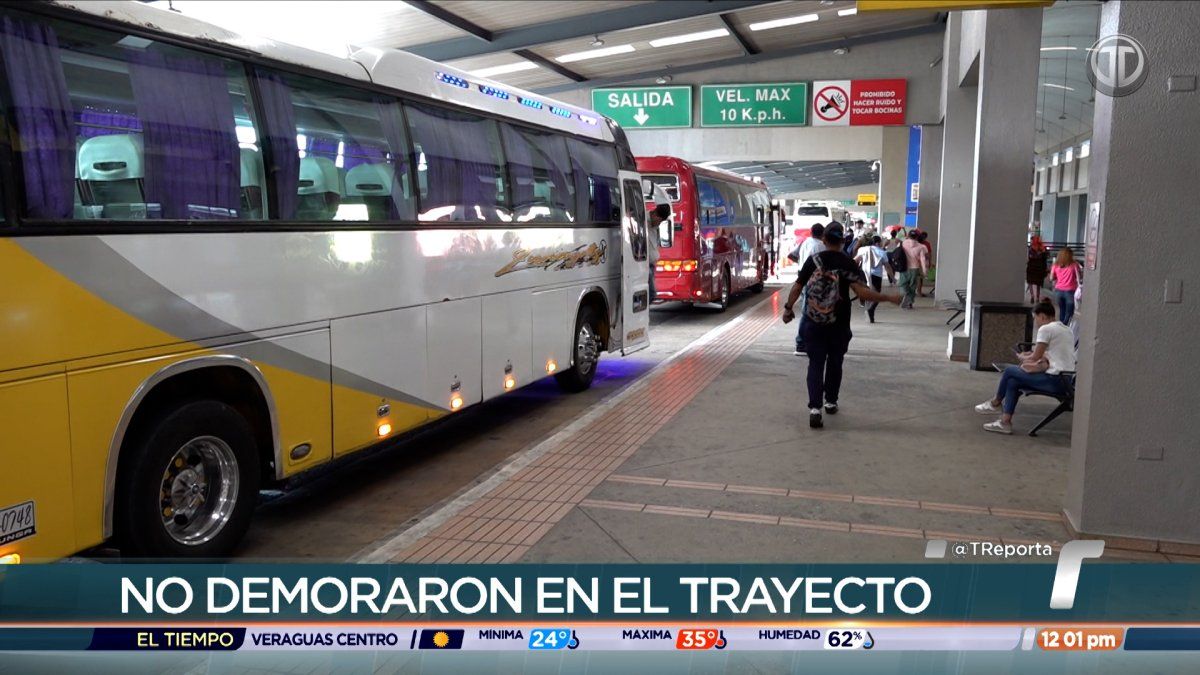
Transport operators in Panamá Oeste said morning traffic has remained fluid after a road operation introduced lane reversal to improve vehicle flow. The measure has helped reduce congestion during peak travel hours in the western province, where many commuters depend on busy roads to move between residential areas and work centers.
Why It Matters
Traffic management is a recurring issue in Panamá Oeste because of the high number of daily trips into and out of the province. Measures such as lane inversion are commonly used to relieve pressure during the morning rush, when traffic builds quickly and delays can affect workers, students, and freight movement.
The reported improvement suggests that the operation is having an immediate impact on circulation. For drivers, that can mean shorter travel times, fewer bottlenecks, and a more predictable commute. For transport businesses, smoother traffic can also improve scheduling and reduce operating strain.
Traffic Management in Panamá Oeste
Panamá Oeste has become one of the country’s most important commuter zones, with growing population centers and heavy reliance on road transport. As traffic volumes increase, authorities often turn to temporary control measures to keep vehicles moving during the busiest hours.
Lane reversal is one of the most visible of those tools. By shifting the direction of traffic in selected lanes at specific times, road officials can increase capacity on routes where demand is uneven between the morning and afternoon periods. The goal is to match road use with the direction of the strongest traffic flow.
What Drivers Should Expect
With the operation in place, morning travel in Panamá Oeste has been reported as more manageable. Drivers using the affected roads should continue to pay attention to lane direction changes, signage, and traffic instructions to avoid confusion and keep the system working efficiently.
The effectiveness of these measures often depends on driver cooperation and enforcement. When motorists follow the established flow, traffic can move more smoothly and the risk of delays and incidents is reduced.