
What Happened
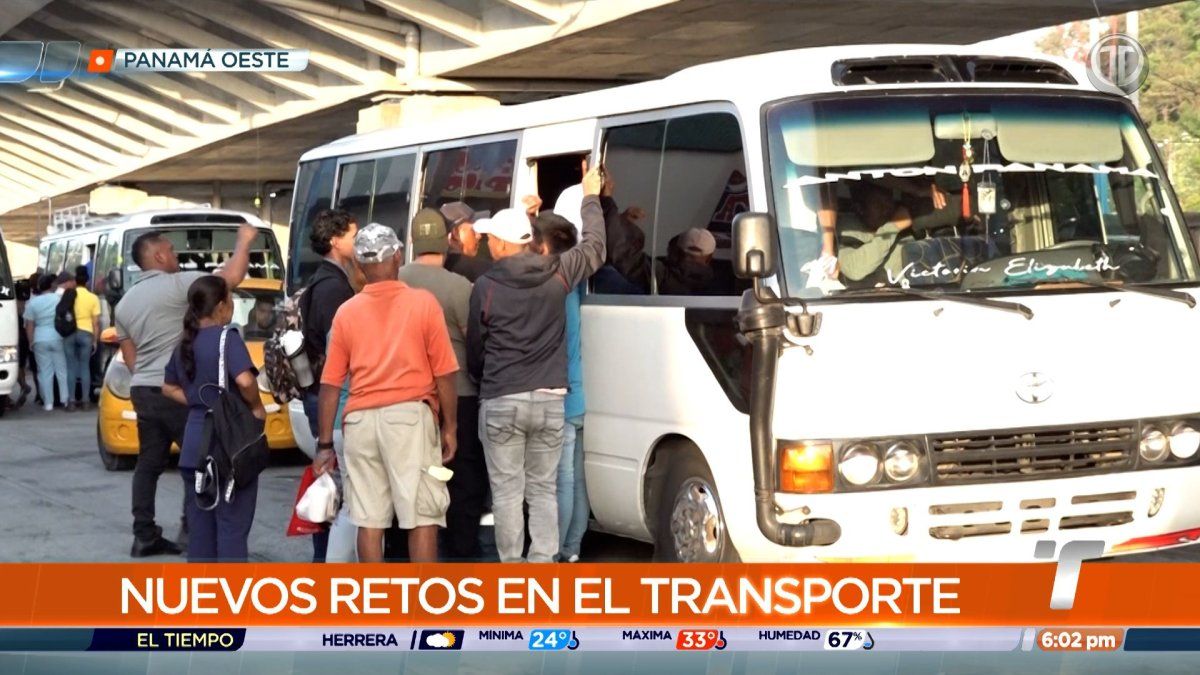
Traffic flow in Panama Oeste has gradually improved after operations were carried out on the area’s main roads, easing wait times for commuters who still need to line up to board buses.
The changes have been noticeable for road users moving through one of the country’s busiest commuter corridors, where daily congestion often affects travel times and public transport access.
Why It Matters
Panama Oeste is a key transit zone for workers, students, and families traveling between residential areas and Panama City. Any improvement in vehicle circulation can reduce pressure on roads, shorten commutes, and make bus access more manageable for passengers.
Even with the better flow, the need for bus lines remains a sign that public transport demand is still high. For many residents, smoother traffic is only part of the challenge; orderly boarding and reliable service are also central to the commuting experience.
Background
Panama Oeste has long been affected by heavy vehicle volumes, especially during peak travel hours. The province continues to grow as more people live in communities connected to the capital’s labor market, increasing the strain on roads and transport systems.
Measures aimed at improving circulation in the area are closely watched by commuters because even modest changes can affect daily routines, delivery schedules, and access to work and school.
What This Means for Commuters
For users of the main routes in Panama Oeste, the gradual improvement in traffic flow may translate into shorter waits and a less stressful trip. At the same time, the continued lines for buses show that broader transport challenges remain part of everyday life in the province.
The situation reflects a common pattern in fast-growing urban corridors: road management can ease congestion, but lasting relief depends on sustained transport planning and infrastructure that keeps pace with demand.