
What Happened
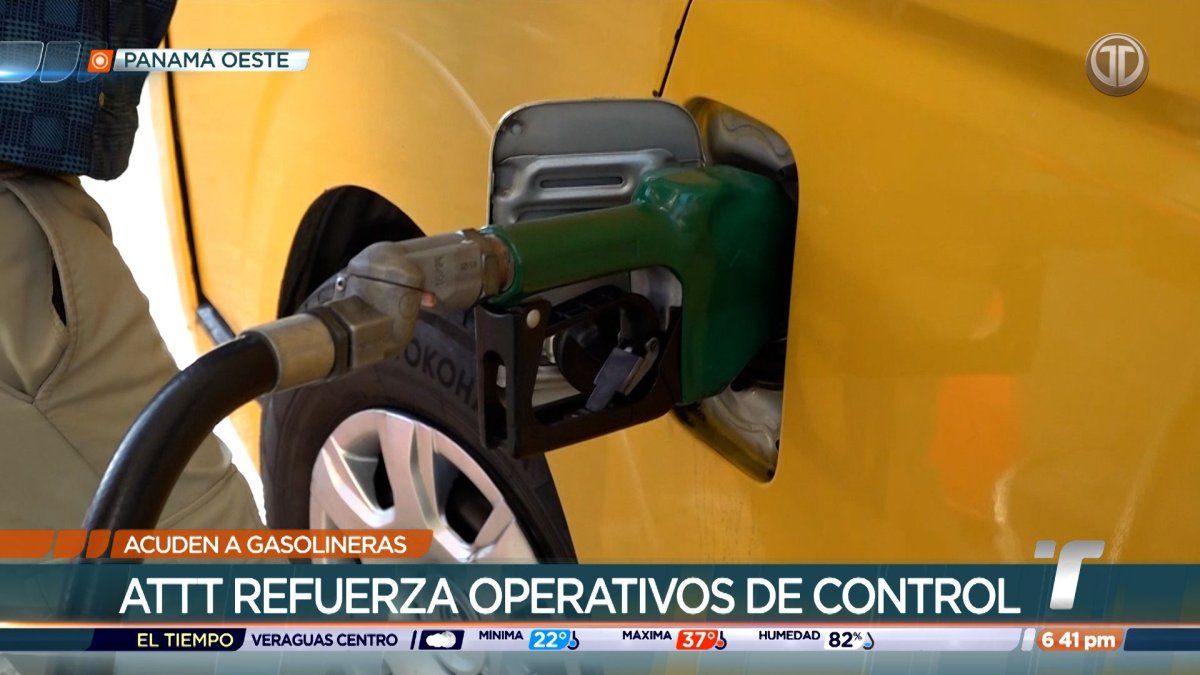
Transport operators in Panama Oeste went early to fuel stations to fill up their vehicles as the government’s fuel subsidy began on Wednesday. Drivers said the measure immediately translated into savings at the pump.
The subsidy has become a direct relief for transport workers in the province, where fuel costs are a major operating expense. For many drivers, lower fuel prices can help preserve daily income and keep service running more steadily.
Why It Matters
Fuel prices have a direct impact on public and private transport activity across Panama. When costs rise, transport workers often face tighter margins and higher pressure to pass expenses on to passengers or clients. A subsidy can ease that burden, at least in the short term, and improve cash flow for those who rely on vehicles for work.
In Panama Oeste, where many residents depend on road transport to move between communities and toward the capital area, any reduction in fuel expenses can have a noticeable effect on operating conditions. The savings reported by drivers reflect the immediate financial relief that such measures can produce.
Broader Context
Fuel subsidies have long been a sensitive topic in Panama because they balance social relief with the cost of public support. For transport workers, they can help stabilize fares and business expenses. For the government, they are part of broader efforts to cushion households and sectors most exposed to fuel volatility.
The early-morning lines at fuel stations also show how quickly transport workers react when a subsidy begins. For drivers who spend much of their day on the road, even a modest reduction in fuel costs can make a meaningful difference over time.
What This Means for Transport Workers
The immediate savings reported in Panama Oeste suggest the subsidy is already affecting day-to-day operations. Transporters who depend on constant trips and repeated refueling stand to benefit first, especially those working long hours or covering higher mileage.
As the measure continues, its practical impact will be measured by how much it helps drivers manage expenses and maintain service without additional pressure on their earnings.