
What Happened
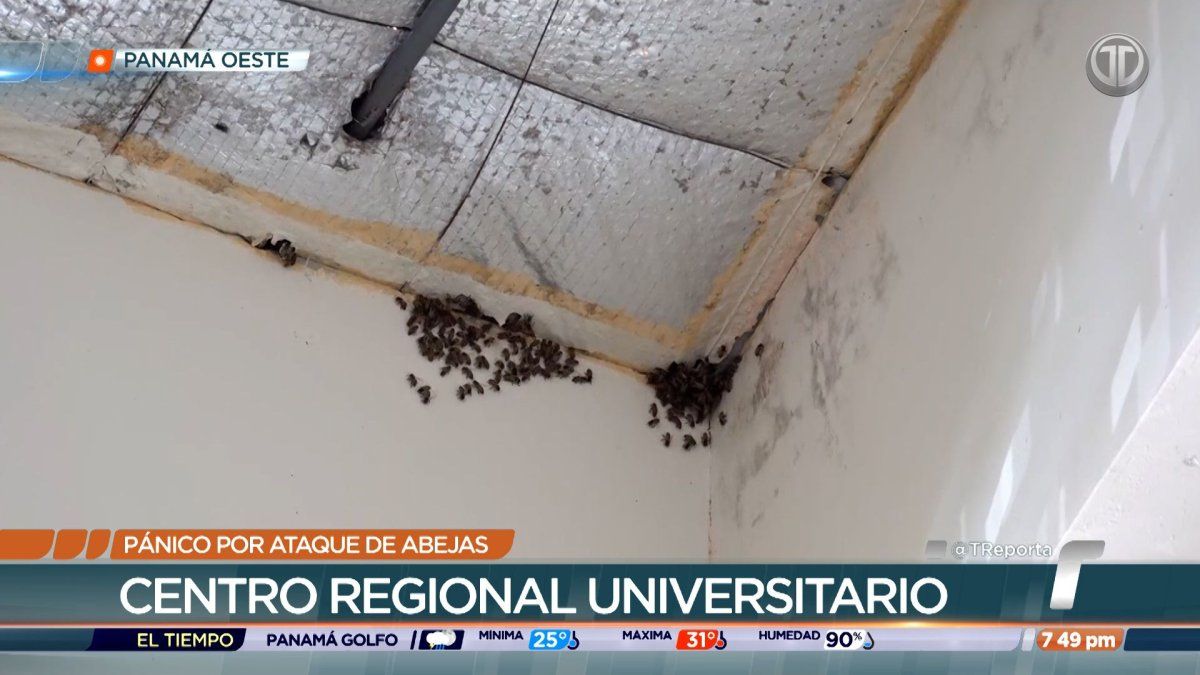
Classes at the Centro Regional Universitario de Panamá Oeste have been suspended after colonies of Africanized bees on campus began causing incidents involving students. The hives have remained at the university center for two years, and their presence has now become a safety concern.
Authorities are coordinating a special operation to address the problem and remove the risk to the campus community.
Why the Suspension Matters
Suspending classes is a significant step that reflects the seriousness of the situation. Africanized bees are known for aggressive defensive behavior when disturbed, which can make areas around active hives dangerous for students, staff, and visitors.
At a university campus, where people move between classrooms, walkways, and open spaces throughout the day, even isolated incidents can quickly disrupt normal activity and create an urgent need for preventive action.
Campus Safety and Response
The decision to halt classes underscores the priority of protecting the university community while authorities work on a solution. A coordinated operation suggests the response will likely involve specialized personnel handling the hives and securing the area so academic activity can resume safely.
Situations involving Africanized bees require caution because sudden movement, noise, or disturbance can trigger defensive swarming. That makes controlled intervention essential in a place with regular student traffic.
Broader Context
Panama’s universities and public institutions often face logistical and safety challenges that require quick coordination between campus administrators and local authorities. In this case, the issue goes beyond inconvenience: it is a direct threat to daily operations and public safety.
For students at the Panamá Oeste regional center, the suspension is likely to affect classes until the bee colonies are handled and the campus is considered safe again.