
What Happened
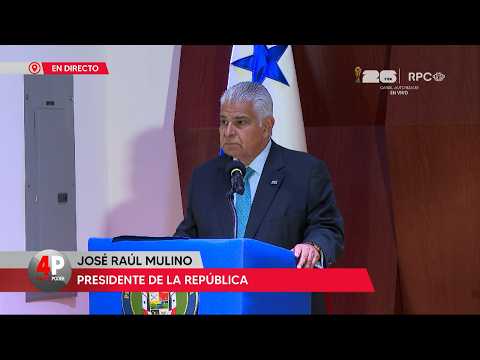
President José Raúl Mulino used his weekly press briefing to address a growing institutional dispute between the Comptroller General’s Office and the Public Ministry after a procedure at the Anti-Corruption Prosecutor’s Office was interrupted by Comptroller Anel Flores and other officials. The confrontation has drawn attention to tensions between oversight bodies and prosecutors in Panama.
Mulino also discussed the fuel subsidy for transport operators, the possibility of calling extraordinary sessions in the National Assembly, and the construction of puentes zarzos, which are temporary or improvised bridges often used to improve access in hard-to-reach areas.
Institutional Friction Over Anti-Corruption Work
The clash involving the Comptroller General and the Public Ministry adds another layer to Panama’s ongoing debate over how public institutions should coordinate in anti-corruption cases. The interruption of the interview process at the Anti-Corruption Prosecutor’s Office underscores how sensitive investigations can become when oversight and prosecutorial powers appear to collide.
In Panama, the Comptroller General plays a central role in monitoring the use of public funds, while the Public Ministry is responsible for criminal investigations. When those roles overlap, disputes can affect both the pace and the perception of anti-corruption enforcement.
Fuel Subsidy for Transport Operators
Mulino also touched on the fuel subsidy for transport workers, a recurring issue in Panama because changes in fuel costs directly affect public transport fares and operating expenses. Subsidies of this kind often become politically significant, especially when they are tied to the cost of living and the stability of transport services.
For transport operators, fuel support can be a critical measure to keep routes viable and to avoid passing higher costs on to commuters. Any discussion of the subsidy tends to draw interest from both workers and passengers, particularly in urban and regional transit systems.
Possible Extraordinary Sessions and Public Works
Another topic in the briefing was the possibility of convening extraordinary sessions. In Panama, extraordinary legislative sessions are used when the executive branch wants the National Assembly to take up specific priorities outside the regular calendar. Such sessions can accelerate debate on urgent initiatives or pending legislation.
Mulino also referenced the construction of puentes zarzos, a term associated with practical infrastructure solutions in communities that need faster and cheaper connectivity. These projects can be especially relevant in remote areas where access routes are limited and local mobility depends on basic but essential crossings.
Why It Matters
The remarks reflect several pressure points in Panama’s public agenda: anti-corruption oversight, transport policy, and infrastructure needs. Taken together, they show how the administration is balancing institutional tensions with everyday issues that affect mobility, public spending, and governance.
As the dispute between the Comptroller’s Office and the Public Ministry continues, the government’s response will be watched closely by political actors, transport sectors, and communities looking for improvements in both accountability and basic services.