
What Happened
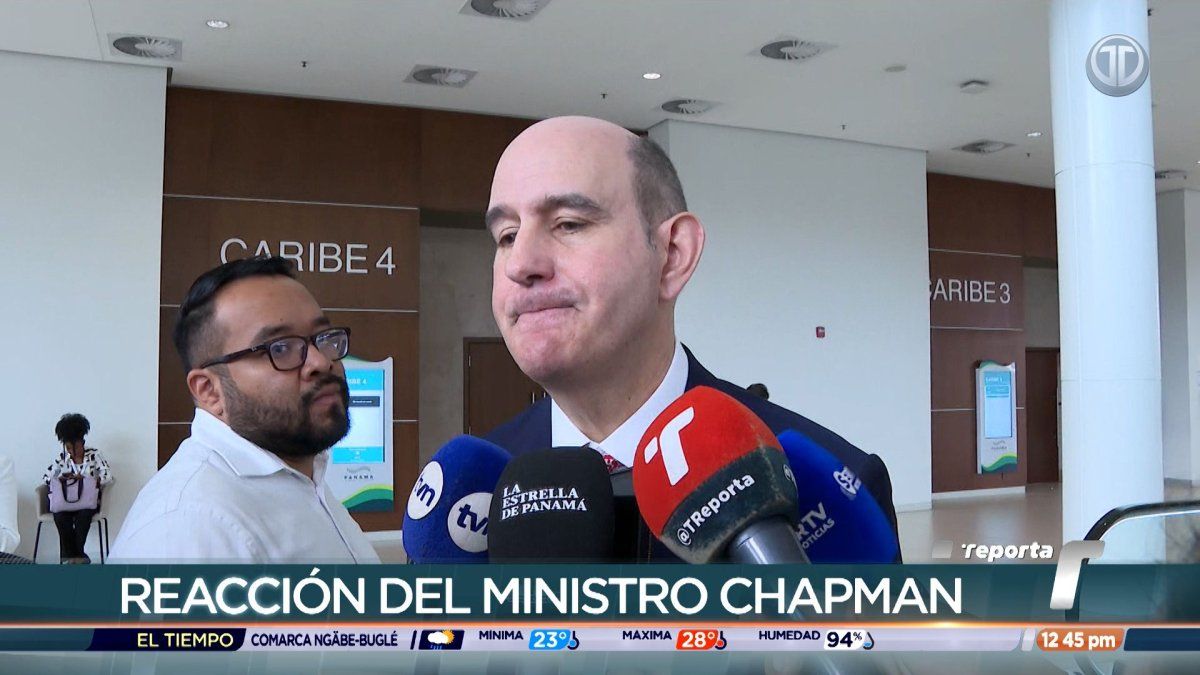
Panama’s Minister of Economy and Finance, Felipe Chapman, voiced support for excluding the maritime sector from the draft Law on Economic Substance currently under debate in the National Assembly’s Economy Committee.
The position places the executive branch on the side of industry concerns as lawmakers review the proposal, which is aimed at strengthening the country’s regulatory framework around economic substance requirements.
Why the Maritime Sector Matters
Maritime services are one of Panama’s most important economic pillars. The country’s shipping, port, logistics, and flag-related activity are closely tied to the Panama Canal and to the broader international business platform that has made Panama a regional hub.
Because of that role, any change in tax or compliance rules affecting maritime activity can have wider implications for competitiveness, investment, and the legal environment that supports the sector.
Legislative Context
The draft law is being discussed in the Economy Committee of the National Assembly, where lawmakers are examining how the economic substance framework should apply across different sectors of the economy.
Chapman’s backing for an exclusion suggests the government sees the maritime industry as requiring differentiated treatment, likely because of the sector’s international structure and its importance to Panama’s service economy.
What This Means for Panama
Any decision to carve out the maritime sector would be closely watched by business groups, legal advisers, and companies that operate under Panama’s maritime regime. The outcome could influence how the country balances regulatory oversight with the need to preserve its position as a competitive shipping and services center.
The debate also comes at a time when Panama continues to manage the relationship between fiscal policy, international standards, and sectors that depend on cross-border activity. For the maritime industry, the final wording of the bill may determine whether existing operating conditions remain largely unchanged or face new compliance obligations.