
What Happened
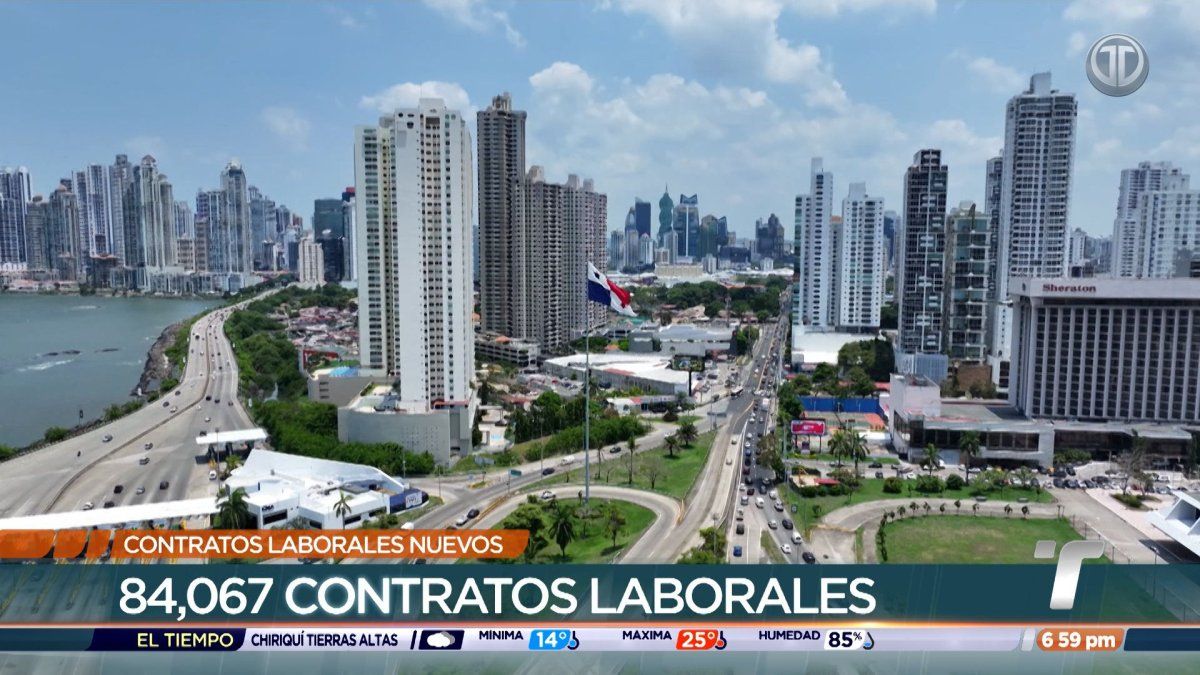
Panama registered 84,067 new work contracts during the first quarter of 2026, a figure that marks an increase of 16,923 compared with the same period in 2025.
Business adviser René Quevedo said the figure points to a gradual improvement in the country’s labor market, suggesting that hiring activity continued to move upward at the start of the year.
Labor Market Context
New work contracts are a key indicator of labor demand because they reflect how employers are adding staff across the economy. A year-over-year increase of this size suggests stronger recruitment activity than in the first quarter of 2025.
For Panama, employment trends matter not only for household income but also for consumer spending, business confidence, and overall economic momentum. When contract registrations rise, it can signal that companies are expanding operations or replacing staff at a faster pace.
What the Numbers Suggest
The first-quarter total provides an early snapshot of labor conditions in 2026 and may be read as a sign that the market is slowly strengthening. Even so, a single quarterly figure does not capture the full picture of employment quality, wage levels, or sector-by-sector performance.
Still, the jump in new contracts is notable because it shows more formal hiring activity than a year earlier. That can be important in a country where formal employment data is closely watched by businesses, policymakers, and workers alike.
Why It Matters
Panama’s labor market plays a central role in the country’s economic outlook, especially as businesses assess demand and households respond to changing job opportunities. A steady rise in new contracts can help support economic activity by putting more people into formal employment arrangements.
The latest first-quarter figure adds to the broader picture of a labor market that appears to be improving gradually, according to the business adviser’s assessment. It also gives employers and workers a reference point as the year progresses and hiring patterns continue to develop.