
What Happened
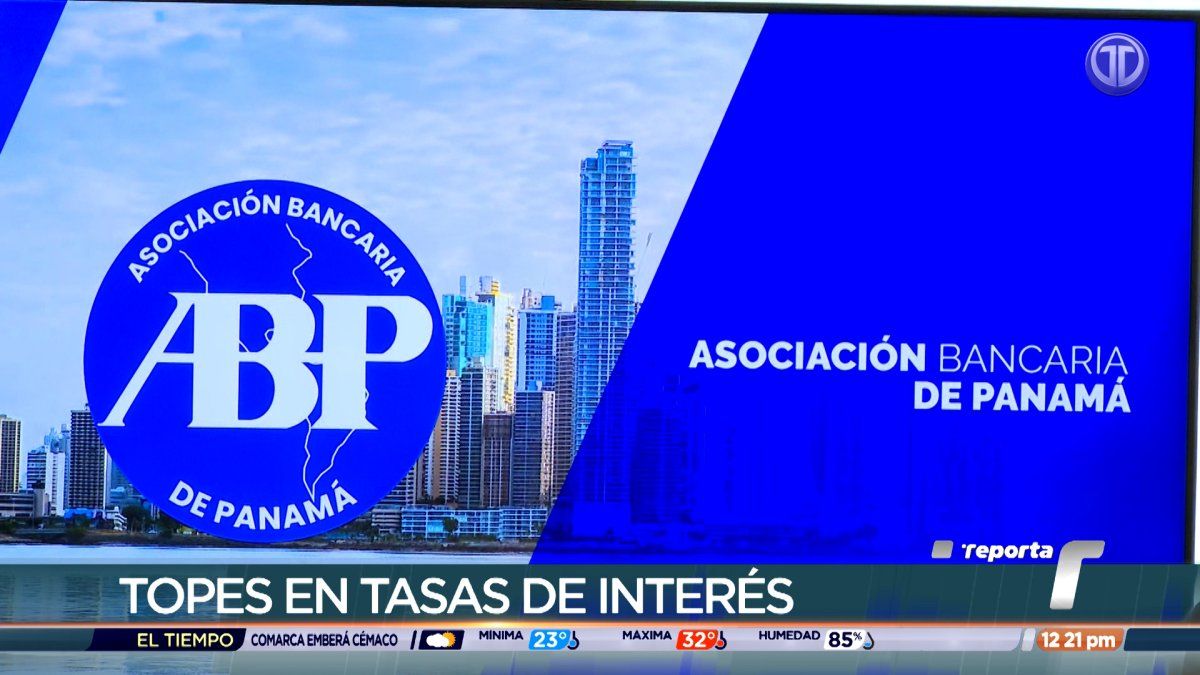
The Banking Association of Panama has expressed concern over a draft bill that would set caps on interest rates across several loan portfolios. The group is calling for the banking sector to be included in the discussion as lawmakers consider the proposal.
The initiative would place limits on the rates that lenders can charge, a move that could affect how credit is priced in the Panamanian financial system. The association’s reaction signals that the measure is already drawing scrutiny from a key part of the country’s lending industry.
Why It Matters
Interest rate caps are often debated because they can make borrowing cheaper for some consumers while also changing the risks and costs faced by lenders. In Panama, any change to lending rules can have wider effects on access to credit, especially for households and businesses that depend on financing for daily expenses, investment, or expansion.
Banking institutions typically argue that lending conditions need to reflect risk, inflation, and the cost of capital. Supporters of caps, by contrast, often see them as a way to protect borrowers from high financing costs. The draft bill now places those competing priorities at the center of the discussion.
What Comes Next
The association is seeking a seat in the legislative debate as the proposal moves forward. That participation could shape the final wording of the bill, especially if lawmakers weigh whether caps should apply broadly or only to specific types of loans.
As the discussion develops, the proposal will likely be watched closely by consumers, businesses, and financial institutions across the country. Any change to lending rules could have consequences for credit availability and the broader economy.