
What Happened
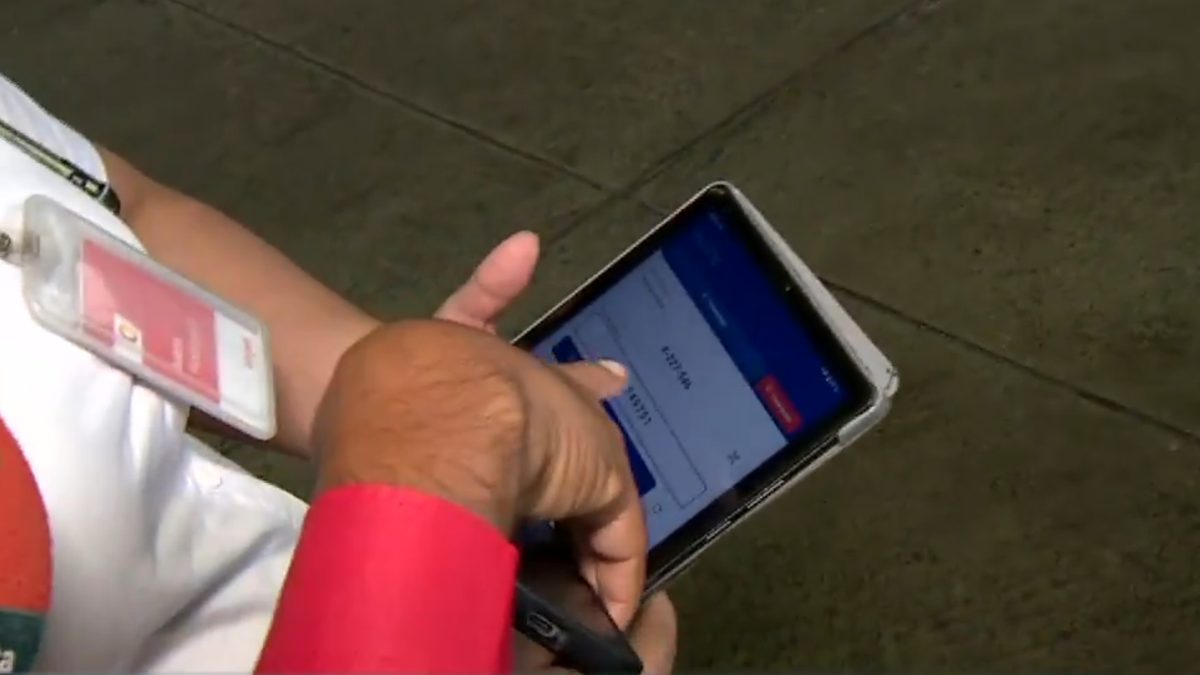
Transport operators in Panama must complete a validation process in order to access the fuel subsidy, a measure that is already generating complaints from some carriers who say they are facing problems with the procedure.
The requirement places verification at the center of the subsidy program, making registration and compliance a necessary step before benefiting from the support.
Why It Matters
Fuel costs remain a major pressure point for transport workers in Panama, especially for those who depend on daily operations to keep routes moving and income stable. Any disruption in access to the subsidy can quickly affect operating costs, fares, and service continuity.
When a subsidy is linked to a validation process, the policy can help direct public support more precisely, but it can also create delays or frustration if the process is difficult to complete. That tension is now visible among carriers reporting complications.
Panama’s Transport and Fuel Context
In Panama, fuel support measures have often been used to ease pressure on transport providers and, indirectly, on consumers. Because public and private transport systems play a central role in daily mobility, changes to subsidy access can have broader effects beyond the sector itself.
Validation requirements are commonly used to confirm eligibility and prevent misuse, but they also depend on efficient administration and clear procedures. For transport operators, speed and clarity can be as important as the subsidy itself.
What to Watch Next
The key issue now is whether the verification process can be completed without further disruptions for transport workers seeking the benefit. If the process remains cumbersome, pressure may grow for authorities to improve access or adjust the system.
For carriers, the outcome will likely determine how smoothly they can manage fuel expenses in the coming days and weeks.