
What Happened
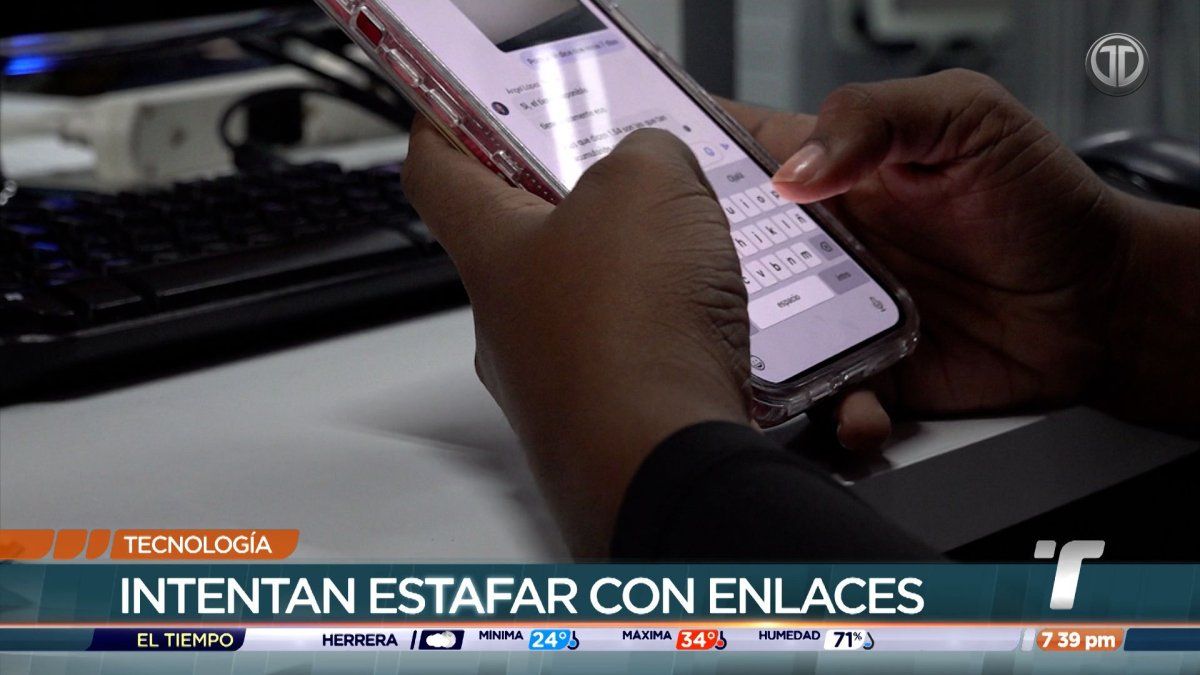
Authorities in Panama have warned the public about fraudulent text messages being sent with links by people posing as officials in an effort to carry out scams and fraud.
The warning comes as digital impersonation and phishing-style schemes continue to target unsuspecting users through mobile phones. The messages are designed to look convincing enough to prompt recipients to click on suspicious links and expose personal information.
How the Scam Works
The fraudulent messages rely on deception. By pretending to represent an authority figure or public institution, scammers try to create a sense of urgency or trust that pushes people to act quickly.
Experts are urging residents not to open any suspicious link and not to share personal data through text messages or unfamiliar web pages. That includes identity details, passwords, banking information, and any other sensitive personal information.
Why the Warning Matters
Phone-based scams remain a serious risk because they can reach large numbers of people in a short period of time. A single click can lead to stolen data, financial losses, or further attempts to impersonate the victim.
In Panama, where digital communication is used daily for banking, work, and public services, these kinds of fraud attempts can spread quickly if people do not verify who is sending a message before taking action.
What Residents Should Do
The safest response to an unexpected message with a link is to ignore it, especially if it claims to come from an official source. Users should confirm information directly through trusted channels rather than replying to the message or clicking on embedded links.
Public awareness remains one of the strongest defenses against fraud. Recognizing warning signs such as suspicious links, pressure to act immediately, and requests for private information can help reduce the number of victims.