
What Happened
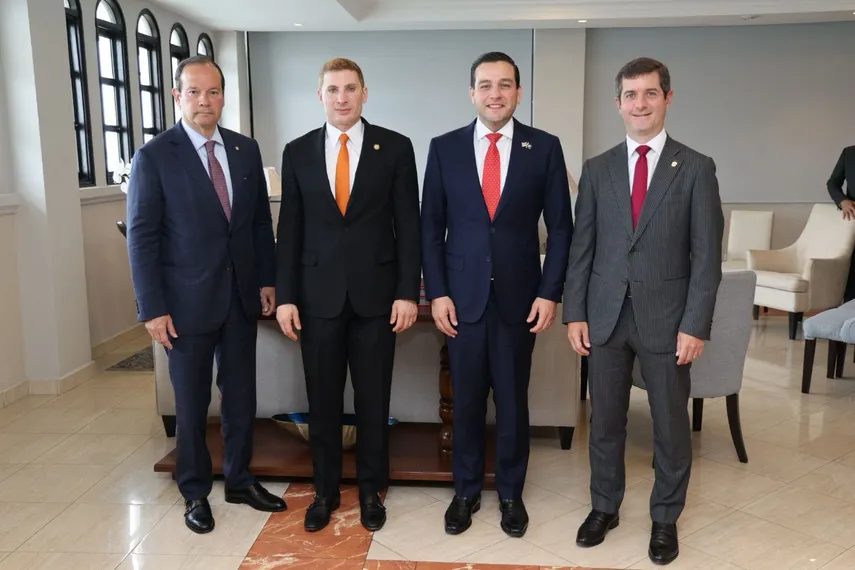
U.S. Under Secretary of State for Economic Affairs Jacob Helberg carried out an official visit to Panama as part of a regional tour that also includes Guyana and Costa Rica. During his stay, he held high-level meetings with key members of the Panamanian cabinet, including Foreign Minister Javier Martínez Acha, Economy and Finance Minister Felipe Chapman, and Commerce and Industries Minister Julio Moltó.
The meetings also included U.S. Ambassador to Panama Kevin Marino Cabrera, who reaffirmed Washington’s commitment to working closely with the Panamanian administration on areas of shared economic growth.
Why the Visit Matters
The visit focused on priorities tied to the broader economic relationship between the two countries, including energy security and the supply of critical minerals. Those minerals are essential to advanced technologies and to the global energy transition, making them increasingly important in international trade and industrial policy.
For Panama, the discussions underscore its role as a strategic partner in the region. The country’s location, logistical infrastructure, and commercial ties make it a relevant stop for U.S. officials looking to deepen economic cooperation in Central America and beyond.
Regional Context
Helberg’s tour through Panama, Guyana, and Costa Rica reflects a wider diplomatic effort to advance U.S. economic interests across the hemisphere. In Panama, that effort appears centered on strengthening strategic alliances and reinforcing cooperation on issues that affect both trade and long-term energy planning.
Panama has long held a prominent place in regional commerce because of its role as a transit and business hub. Meetings at the ministerial level suggest ongoing attention to policies that can support investment, trade flows, and coordination on issues linked to supply chains and energy resilience.
What This Means for Panama
The discussions point to continued engagement between Panama and the United States on economic and strategic matters. As global demand grows for secure supply chains and critical minerals, countries that can support trade connectivity and stable partnerships are likely to remain central to these conversations.
For Panama, the talks add to its standing as a key partner for regional diplomacy and economic cooperation. The involvement of multiple cabinet ministers also signals that the agenda extended beyond a single issue and touched on broader areas of trade, finance, commerce, and foreign policy.