
What Happened
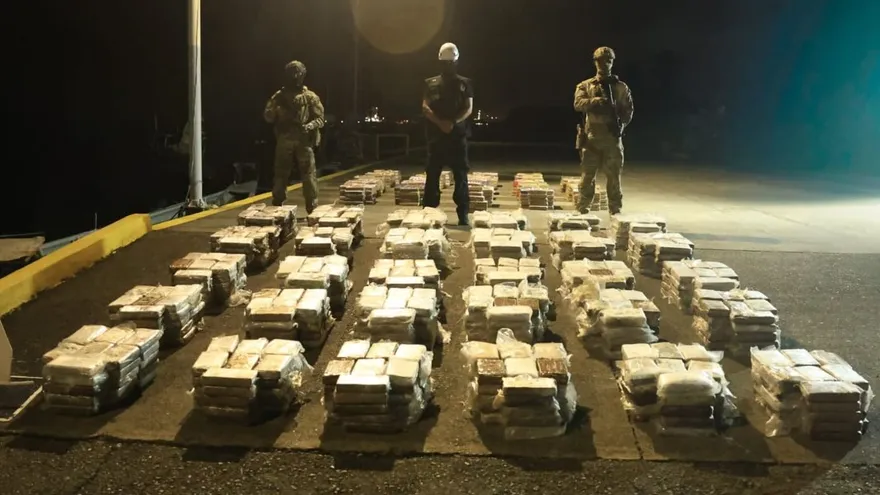
Authorities in Panama seized 1,897 packages of suspected drugs hidden inside commercial containers in Colón that were destined for Belgium. The finding highlights how traffickers continue to use the country’s port and cargo network to move narcotics through international shipping routes.
Where the Seizure Took Place
Colón is one of Panama’s most important logistics hubs, home to port facilities and cargo operations that connect the Atlantic side of the country with global trade. That same infrastructure makes the province a frequent target for organized crime groups that attempt to conceal illegal shipments among legitimate commercial freight.
Why It Matters
The seizure adds to Panama’s ongoing struggle against drug trafficking through containerized cargo. The country’s strategic position between major producing regions in South America and consumer markets in Europe and North America has long made it vulnerable to this type of crime. Interventions like this are part of the broader effort to protect ports, strengthen customs controls, and disrupt trafficking networks that rely on maritime transport.
Broader Context
Belgium is a key entry point for cargo moving into Europe, and traffickers often exploit high-volume trade lanes to conceal narcotics in shipping containers. In Panama, authorities regularly monitor ports and logistics corridors in Colón and other areas to detect suspicious shipments before they leave the country.
The seizure underscores the continuing pressure on Panamanian authorities to keep pace with increasingly sophisticated smuggling methods. Container-based trafficking remains one of the most persistent challenges in the fight against organized crime, especially in a country that serves as a regional trade crossroads.