
What Happened
Panama’s Ministry of Labour and Labour Development has stated that delivery riders working through digital platforms are not formal employees, a position that has drawn fresh attention amid a strike and renewed calls for regulation.
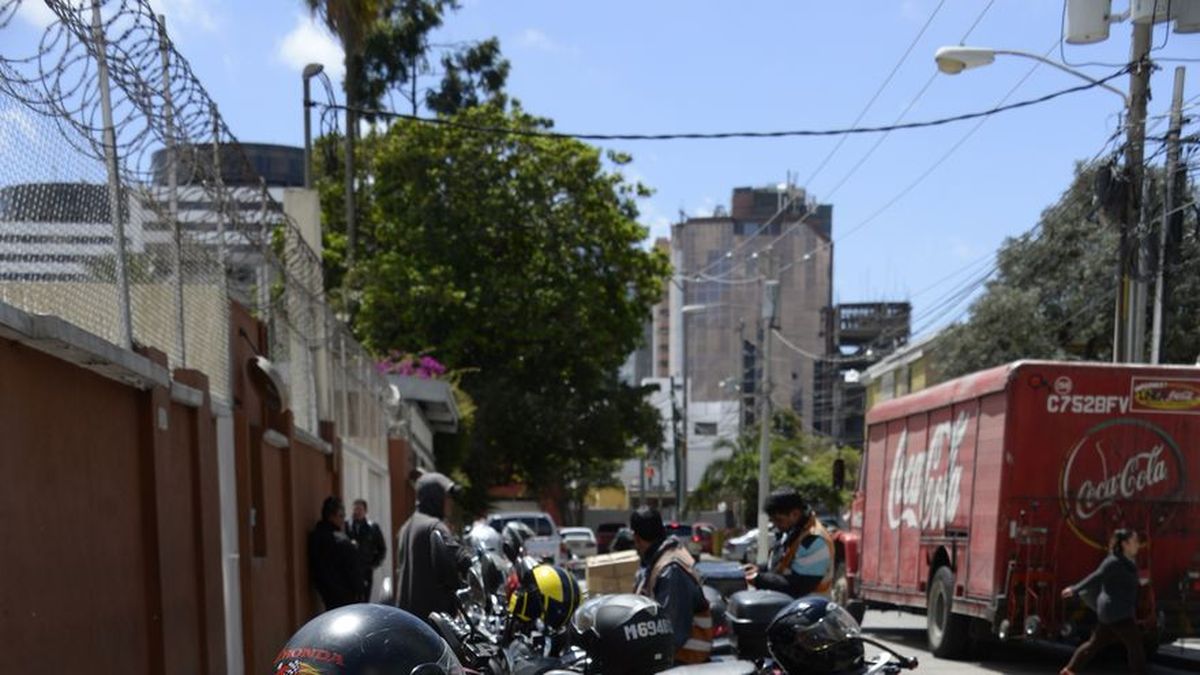
The statement comes at a time when platform-based delivery work remains a growing part of urban life in Panama, especially in the capital and other densely populated areas. Riders who use motorcycles to deliver food and other goods have become a visible part of the service economy, but their legal status has continued to be debated.
Why the Issue Matters
The classification of platform riders has major implications for labour rights, social security, and workplace protections. Formal employment typically carries obligations related to contracts, benefits, and contributions, while independent or informal work generally does not. That distinction is now at the center of public discussion in Panama.
The strike has brought the issue into sharper focus by highlighting tensions between the rapid expansion of app-based delivery services and the country’s labour framework. As digital platforms continue to shape how services are delivered, questions over responsibility, oversight, and worker protections are becoming increasingly difficult to avoid.
Regulation Debate in Panama
Panama has seen broader discussion in recent years about how to regulate new forms of work created by digital platforms. The delivery sector, in particular, has raised concerns over job security and the legal classification of workers who rely on motorcycles and apps to earn income.
For policymakers, the challenge is balancing flexibility in a fast-changing economy with protections for workers who argue they should not be left outside the formal system. The current dispute underscores how platform labour has outgrown older categories that were designed for traditional jobs with fixed schedules and direct employers.
What Comes Next
The strike and the ministry’s position are likely to keep pressure on authorities and labour groups to define clearer rules for platform work in Panama. The outcome could influence not only delivery riders, but also the wider gig economy as more people turn to app-based income in the country.
As the debate continues, the central question remains whether Panama’s labour rules can adapt to a digital economy without weakening protections for the people doing the work.