
What Happened
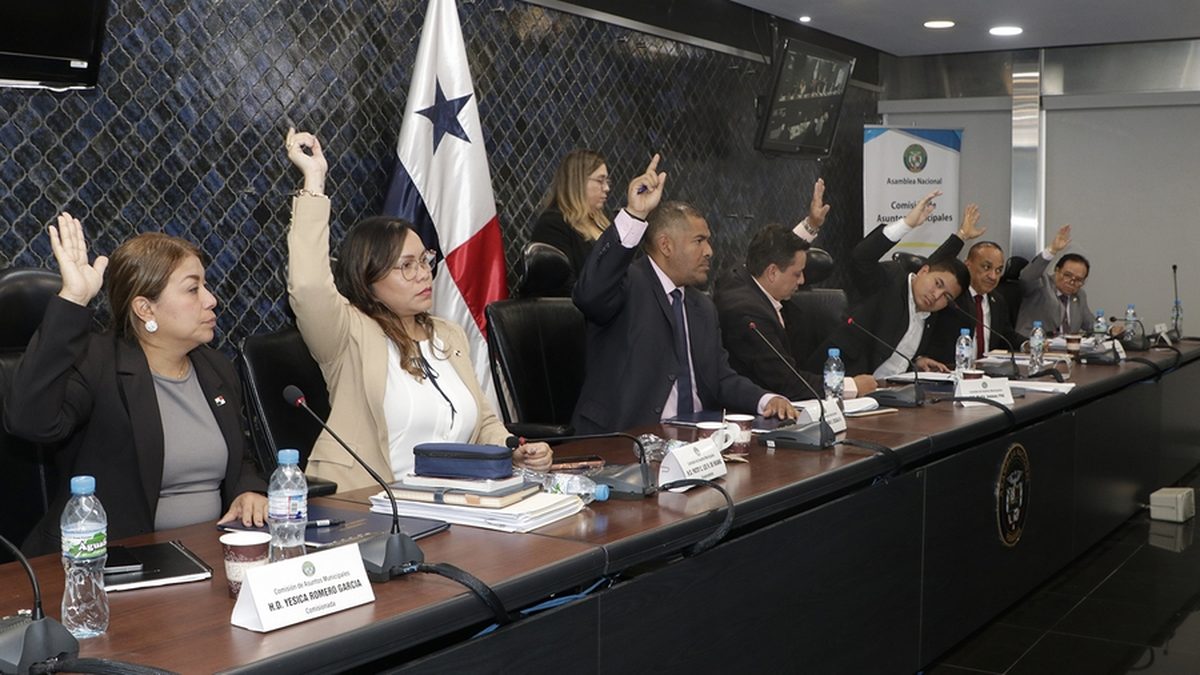
Panama’s Commission on Municipal Affairs approved, in first debate, a bill that would reform the country’s decentralization framework. The proposal moves forward in the legislative process after receiving an updated technical analysis from the Ministry of Economy and Finance (MEF).
Decentralization is a key part of how public resources and responsibilities are distributed among local governments in Panama. Any reform to that system can affect how municipalities plan projects, manage funds, and respond to local needs.
Why the Reform Matters
Changes to decentralization have direct implications for municipal administration across the country. In Panama, local governments depend on fiscal and administrative rules that shape their ability to deliver services and carry out community works.
An updated technical review from the MEF adds weight to the discussion because it connects the legislative proposal with fiscal and administrative considerations. That makes the bill relevant not only to lawmakers, but also to mayors, municipal councils, and residents who rely on local government programs.
Legislative and Local Impact
The first debate is an early but important step in the National Assembly process. Bills that pass committee review can advance to broader discussion, where lawmakers may refine the text before any final vote.
For municipalities, reform of the decentralization law could influence how public money is allocated and how local authorities execute projects. The issue remains central to efforts aimed at strengthening local governance and improving the delivery of public services in Panama’s provinces and districts.
Background
Panama’s decentralization model has long been tied to debates over efficiency, accountability, and the balance of power between central and local government. Reforms in this area often draw attention because they can reshape how communities access development funds and how quickly local needs are addressed.
With the bill now approved in first debate, the discussion shifts to the next stages of legislative review, where the final scope of the reform will continue to take shape.