
What Happened
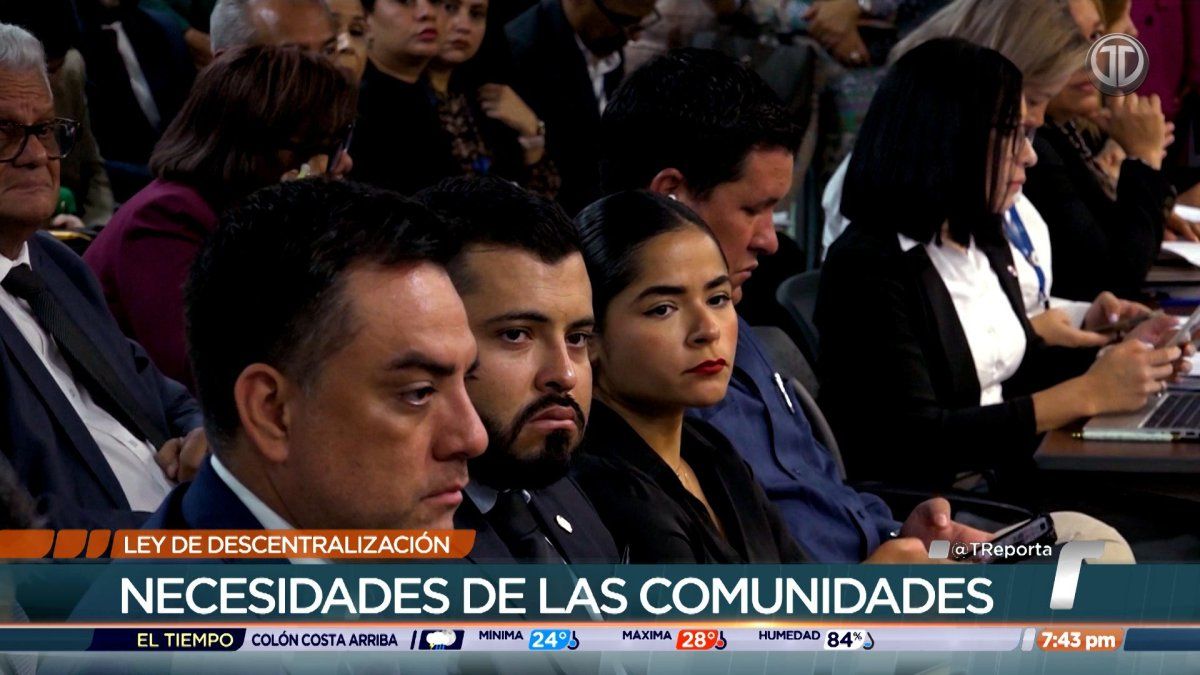
The National Assembly’s Municipal Affairs Commission approved in first debate a bill that reforms Panama’s Decentralization Law. The measure moves forward after mayors and township representatives took part in the discussion and pressed for full transfer of funds and respect for the decentralization of public resources.
Why It Matters
Decentralization remains a major issue in Panama because it determines how resources are distributed between the central government and local authorities. Municipal leaders have long argued that stronger local funding is essential for improving basic services, responding to community needs, and giving elected officials greater capacity to manage their own priorities.
The push for reform also reflects broader tensions over how public money is administered. When local governments do not receive the resources assigned to them, municipal projects can slow down and communities may see fewer improvements in infrastructure, sanitation, and local development.
Municipal Pressure Builds
The presence of alcaldes and representatives in the debate underscored the political importance of the bill. Their demand for the complete transfer of funds signals continued pressure on national lawmakers to ensure that decentralization is not only a legal principle, but a practical reality in towns and districts across the country.
For local officials, the issue is not limited to administrative procedure. It is tied to the ability of municipalities to carry out works, maintain services, and respond quickly to residents without relying entirely on central authorities.
Background on Decentralization in Panama
Panama’s decentralization framework was designed to strengthen local governance and bring decision-making closer to communities. In practice, the system has often been marked by debate over funding flows, oversight, and the balance between national control and municipal autonomy.
Reforms to the law tend to draw close attention because they can affect how public resources are distributed and how much authority local governments have to execute their plans. That makes the first-debate approval an important step in a process that could shape the relationship between the central state and municipalities.
What Comes Next
With first debate approved, the proposal will continue through the legislative process before any final changes can take effect. The discussion is likely to remain focused on whether the reform strengthens local government financing and ensures that decentralization works as intended across Panama.