
What Happened
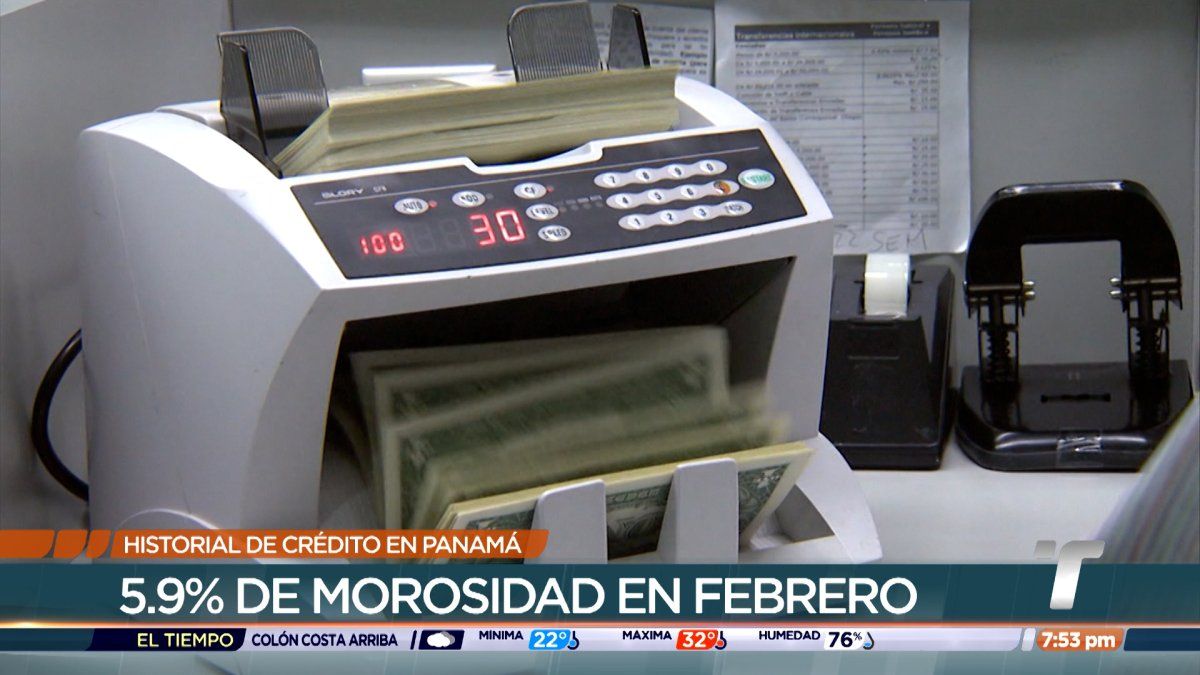
Telemetro reports that credit delinquency among Panamanians has improved in 2026. Despite this positive movement, the country’s overall level of indebtedness remains elevated, with total debt reaching $41 billion.
Background
In credit and banking terms, “morosidad” refers to overdue loan payments or delinquent credit. A reduction in delinquency rates generally signals that borrowers are keeping up with repayments more often, which can ease pressure on lenders and reduce the risk of loan losses.
At the same time, a high aggregate debt stock — in this case reported at $41 billion — shows that households, businesses or the public sector continue to carry substantial obligations. The data reported by Telemetro does not break down that figure by household, corporate or government debt, nor does it provide delinquency rates or comparisons with previous years.
What This Means
An improvement in delinquency is a welcome sign for Panama’s financial sector because lower levels of overdue loans can support bank balance sheets and preserve credit supply. For borrowers, it may reflect steadier incomes or a temporary easing of repayment burdens.
However, the persistence of a high total debt figure suggests vulnerabilities remain. High indebtedness can limit households’ financial flexibility and constrain economic growth if servicing costs consume a large share of incomes. For policymakers and financial institutions, the combination of falling delinquency but high total debt underscores the need for continued monitoring of credit quality and household balance sheets.
Telemetro’s brief report provides the headline figures but does not include detailed breakdowns or analysis. Further information from financial authorities, banks or economic research would be necessary to assess which sectors are driving the $41 billion debt total and how sustainable recent improvements in delinquency are over the medium term.