
What Happened
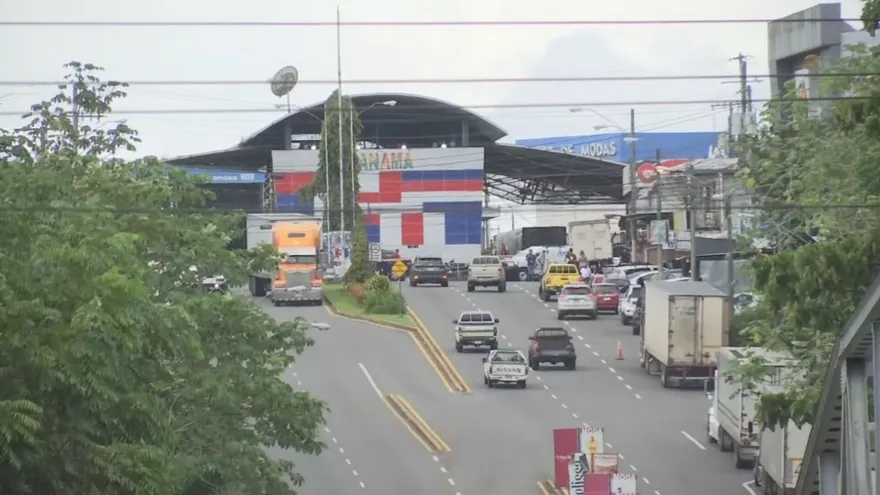
Panama and Costa Rica are strengthening coordination to confront crime along their shared border. Security ministers from both countries highlighted the need to consolidate binational mechanisms that can deliver a faster and more effective response to criminal activity in the frontier zone.
Why It Matters
The Panama-Costa Rica border is a key transit area for people, goods, and commerce in Central America. That makes coordination between both governments essential for addressing threats that can move across national lines, including organized criminal activity and other security risks that affect communities near the border.
Binational cooperation is especially important in border regions, where public safety depends on joint action, intelligence sharing, and coordinated patrols. When neighboring states align their security efforts, they can respond more efficiently to incidents that may involve movement across the frontier.
Regional Security Context
Cross-border crime has become a central concern for governments throughout Central America, where authorities often face challenges that require cooperation beyond their own territory. In this context, Panama and Costa Rica’s emphasis on stronger mechanisms reflects a broader regional effort to improve security at land borders and protect residents in border communities.
For Panama, cooperation with Costa Rica also supports the country’s wider security strategy, which includes protecting its territory, maintaining order in border areas, and reinforcing state presence in zones that can be vulnerable to illicit activity.
What This Means
The renewed focus on binational coordination suggests both countries are seeking a more structured approach to border security. That can translate into closer institutional ties, more consistent communication between security forces, and a shared effort to respond to threats that do not stop at the border.
For people living and working near the frontier, stronger coordination could mean greater confidence in the authorities’ ability to act quickly and jointly when security problems arise. It also signals that Panama and Costa Rica view border crime as a shared challenge that requires a shared solution.