
What Happened
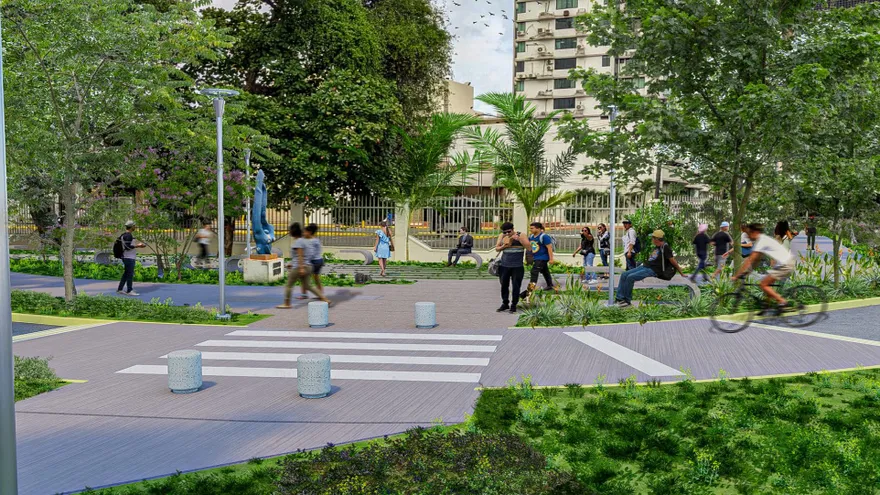
Panama City’s municipal government is planning to turn small urban spaces into pocket parks, creating compact green areas within one of the country’s busiest cities. The initiative is designed to give residents short breaks from traffic, noise and the fast pace of daily life.
These small parks would function as urban “lungs,” offering places where people can pause, rest and spend time outdoors without leaving the city center.
Why Pocket Parks Matter
Pocket parks are typically built in small or leftover spaces in dense neighborhoods, where larger parks are harder to develop. In a city like Panama City, where congestion and constant activity shape everyday life, even modest green spaces can improve the urban landscape and make public areas feel more livable.
For residents, these spaces can add shade, seating and a more welcoming environment. For the municipality, they represent a practical way to improve quality of life without needing large tracts of land.
Urban Planning Context
The push toward pocket parks reflects a broader trend in city planning that values smaller, accessible green spaces in dense urban areas. In fast-growing capitals, local governments often look for ways to balance development with public space, especially in neighborhoods where concrete and traffic dominate the streetscape.
Panama City’s plan fits that model by focusing on compact interventions that can still have a visible impact on daily urban life. The idea is to weave more greenery into the city’s fabric and create spaces that serve nearby residents and passersby.
What It Could Mean for the City
If carried out, the project could make selected parts of Panama City more pleasant and usable for pedestrians. Small parks can also help soften the visual intensity of busy commercial and residential zones, giving the city a more balanced urban identity.
The initiative places emphasis on public well-being in a city where movement, traffic and noise are part of the routine. By converting small spaces into pocket parks, the municipality is aiming to create simple but meaningful improvements in the urban environment.