
What Happened
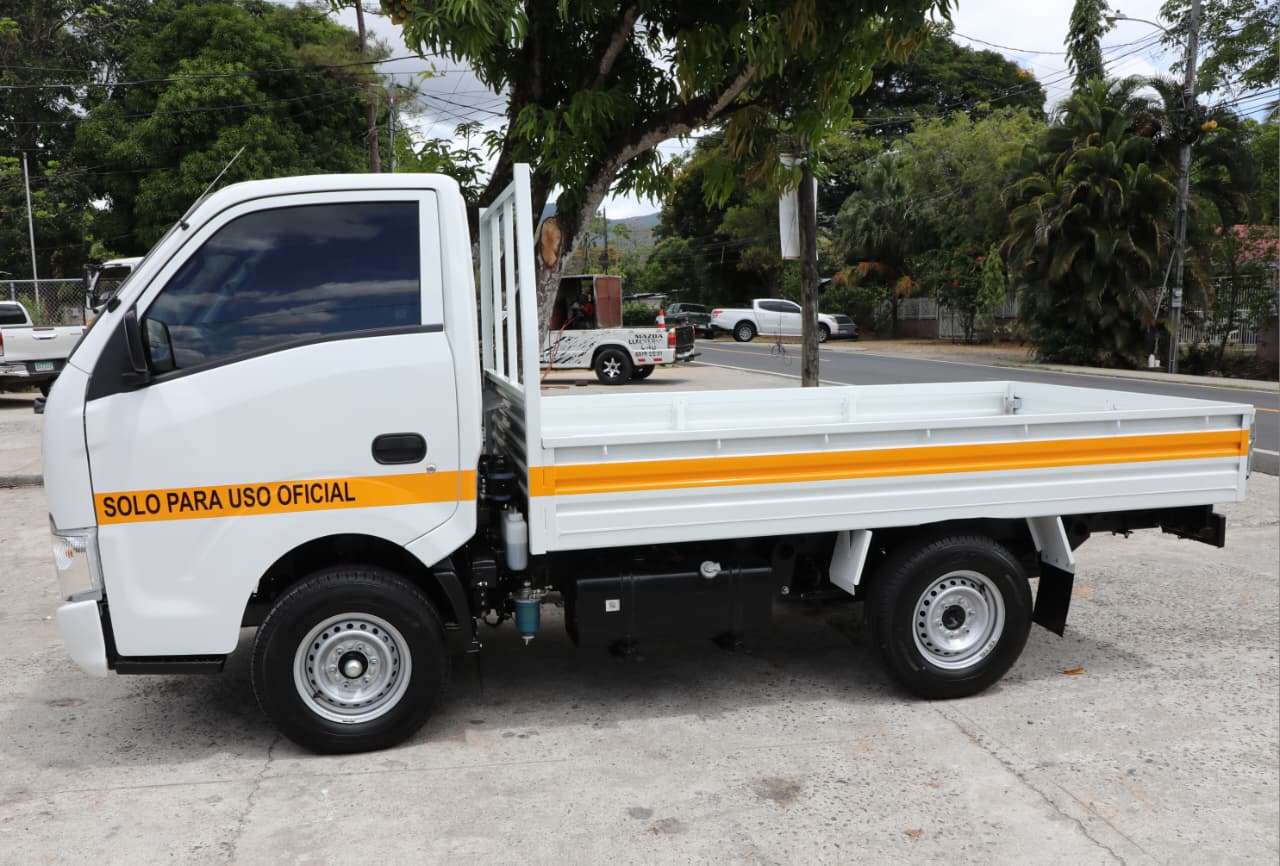
The Panama City Mayor’s Office, through its Directorate of Decentralization, delivered a small chasis truck to the San Martín community board to support neighborhood maintenance work. The vehicle was financed with funds from the property tax, known locally as IBI, and is intended for tasks such as cleaning, hauling, and public-order upkeep.
The handover was received by the corregimiento representative and municipal officials involved in the decentralization process. The vehicle was formally documented through the municipality’s asset-receipt procedures.
Vehicle and Purchase Details
The truck is a 2026 Isuzu, model PHT54AL-CA1B, with 4×4 traction, manual transmission, and diesel engine. It was manufactured in Japan and purchased for B/.19,986.51 through Purchase Order No. 4200656051 from Empresas Melo S.A.
Because the vehicle is designed for practical municipal work, it is expected to help with recurring tasks in the community, especially where road conditions, cleanup needs, or transport demands require a durable work truck. Small municipal fleets are often central to local service delivery in Panama’s corregimientos, where community boards handle visible day-to-day needs.
Why It Matters
The delivery reflects how decentralization funds are being used to equip local governments with basic operational tools. In Panama City’s districts and corregimientos, vehicles like this can make it easier to move materials, remove debris, and respond to maintenance needs more quickly.
The use of IBI funds also highlights the role of property tax revenue in supporting local infrastructure and service capacity. For residents of San Martín, the addition of a dedicated work truck may improve the board’s ability to carry out routine neighborhood tasks and respond to local priorities without relying as heavily on outside support.
Local Government Context
Panama’s decentralization model channels resources to community-level authorities for projects tied to public services and small-scale improvements. Equipment purchases are part of that effort, allowing corregimiento offices to strengthen their own logistics for sanitation, transport, and upkeep.
In practical terms, the new vehicle gives San Martín a piece of equipment that can be used for ongoing municipal work rather than a one-time project. That makes the purchase more than a simple delivery: it is an investment in the operational capacity of the local board.