
What Happened
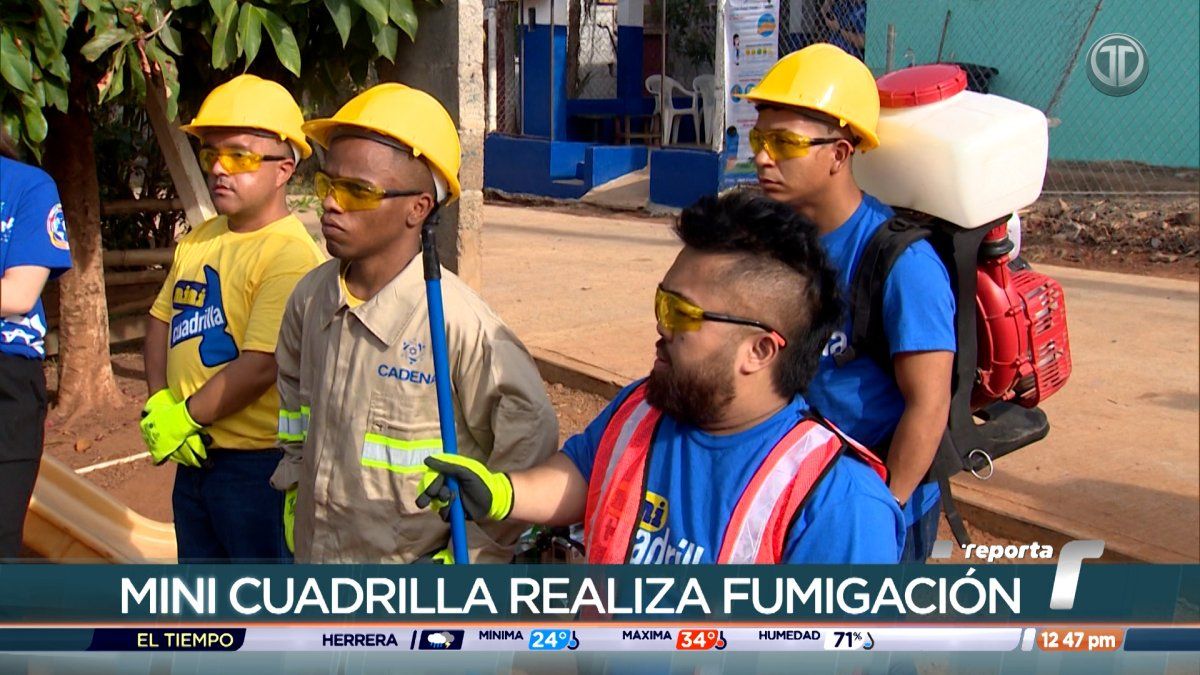
Four young workers identified as Randy, Víctor, Edward and Josué have joined the Mini Cuadrilla of the Panama City Mayor’s Office after facing major difficulties finding employment. Their first assignment was a fumigation and mosquito breeding-site elimination campaign in Tocumen, with work also carried out in Las Garzas.
The group is now part of a team that will support projects and public works in communities under the Panama City municipal administration. Their debut in a neighborhood health effort placed them directly in a service role aimed at reducing mosquito populations.
A Community Health Task
Fumigation campaigns are a familiar part of urban health and sanitation work in Panama, especially in areas where standing water can help mosquitoes reproduce. Eliminating breeding sites is a key step in reducing the risk of mosquito-borne illnesses and improving conditions in residential neighborhoods.
By taking part in this kind of operation from the outset, the Mini Cuadrilla is being positioned not only as a labor support group, but also as part of the city’s broader response to neighborhood maintenance and public health needs.
Why It Matters
The creation of municipal work opportunities can be significant in a city where many residents look for stable employment and a path into public service. For Randy, Víctor, Edward and Josué, joining the Mini Cuadrilla marks a new start after repeated barriers in the job market.
At the same time, the campaign in Tocumen and Las Garzas reflects the practical side of local government work: keeping communities cleaner, reducing mosquito risks, and supporting residents through visible action in the streets and neighborhoods where these services are most needed.
Local Context
Tocumen is one of Panama City’s busiest and most populous areas, while Las Garzas is a growing residential sector on the eastern side of the capital. Community maintenance efforts in these neighborhoods can have a direct impact on daily life, especially during periods when mosquito control becomes a priority.
The Mini Cuadrilla’s first day shows how municipal employment programs can serve two goals at once: providing work for young Panamanians and strengthening the city’s capacity to respond to routine public health concerns.