
What Happened
Switzerland has joined the Panama Canal Neutrality Treaty, adding another country to the international framework that supports the permanent neutrality of the canal. The agreement is tied to one of Panama’s most important national assets and reflects ongoing diplomatic support for the waterway’s special status.
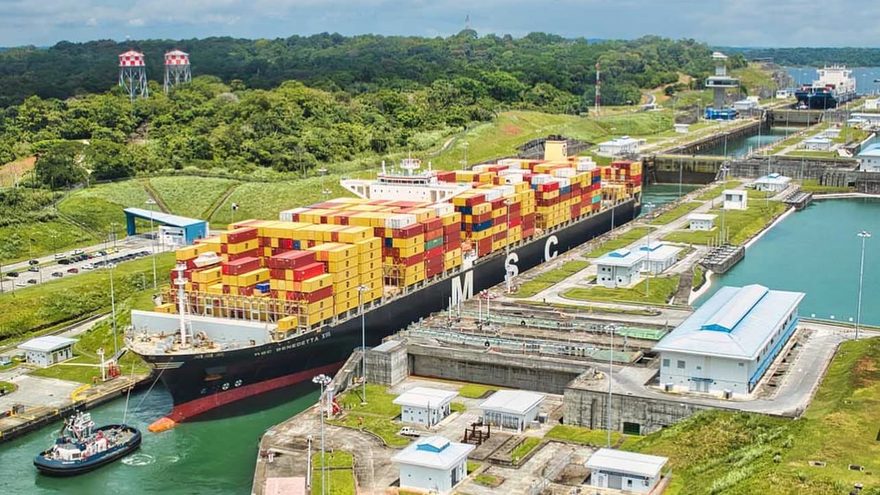
The Panama Canal remains a strategic route for global trade, linking the Atlantic and Pacific oceans and serving vessels from around the world. Neutrality has long been central to Panama’s position on the canal, ensuring that the waterway remains open and protected for international commerce.
Why the Treaty Matters
The neutrality treaty is part of the legal and diplomatic foundation that helps safeguard the canal’s role in world shipping. By joining, Switzerland aligns itself with the international recognition of the canal’s neutral status and the principles that govern its operation.
For Panama, each additional signatory reinforces the canal’s global legitimacy and the country’s longstanding commitment to keeping the passage secure, stable, and available to international traffic without discrimination.
Panama’s Global Role
The Panama Canal is one of the most important infrastructure projects in the Western Hemisphere and a key driver of Panama’s economy. It supports trade flows between major markets and remains central to the country’s diplomatic and commercial identity.
Support for the canal’s neutrality also carries symbolic weight. It highlights Panama’s continuing effort to preserve the canal as a neutral international corridor, even as global trade routes and geopolitical pressures evolve.
What This Means Going Forward
Switzerland’s accession underscores the continuing international relevance of the Panama Canal and the treaty that protects its neutral status. It also reflects the canal’s enduring place in global shipping and Panama’s role as steward of the route.
As the canal remains vital to commerce across continents, the treaty continues to serve as an important diplomatic tool supporting the stability and credibility of one of Panama’s most valuable national institutions.