
What Happened
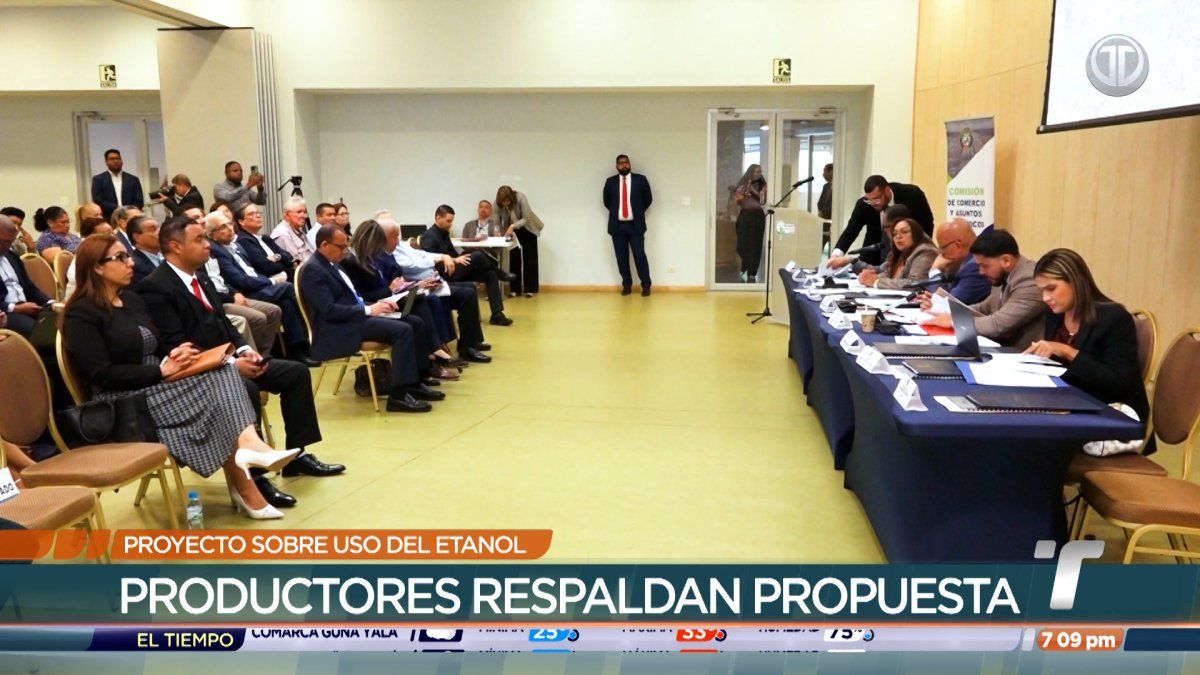
On March 18, 2026, members of the Commission of Commerce of Panama’s National Assembly raised objections to the proposed obligation that would require a 10% bioethanol blend in gasoline, contained in Bill 443. During the bill’s first debate, agricultural producers and industry representatives appeared to support the measure and used the opportunity to list benefits they say would follow from a mandatory blend.
Details of the Bill
Bill 443 proposes making the use of bioethanol at a 10% concentration compulsory in fuel sold in Panama. The proposal advanced into its first legislative debate, where proponents—reported as producers—outlined arguments in favor of the measure. Members of the Commerce Commission pushed back, questioning the rationale for making the blend obligatory rather than voluntary or phased in differently.
Background
Bioethanol is an alcohol-based fuel typically produced from plant materials and blended into gasoline in various countries to diversify energy sources and support agricultural sectors. The measure in Bill 443 follows interest from producers and other stakeholders in expanding domestic demand for biofuels. The debate in the Assembly reflects a broader policy discussion about energy strategy, agricultural development, and regulatory approaches to introducing new fuel standards.
What This Means
The immediate outcome is continued legislative scrutiny: deputies in the Commerce Commission signaled they want more information or different design choices before approving a compulsory 10% blend. If the Assembly ultimately adopts a mandate, it could have implications for fuel suppliers, refineries, transport logistics and agricultural producers who would supply feedstocks for bioethanol. Conversely, if lawmakers opt for a voluntary approach or require more studies, the timeline for any nationwide bioethanol blend would likely lengthen.
Key issues likely to shape next steps include how a mandate would be implemented across Panama’s fuel distribution network, whether existing vehicle fleets would require adaptations, the capacity of domestic agricultural producers to meet increased demand, and the environmental and economic trade-offs of a mandated blend versus alternative energy or incentive-based policies.
As Bill 443 proceeds through additional debates, lawmakers will weigh producers’ stated benefits against concerns raised by deputies about obligation, implementation and impacts on consumers and industry.