
What Happened
President José Raúl Mulino said a pending bill has become a time-sensitive priority because of an approaching deadline. He described the measure as having a “fecha de cumpleaños,” a phrase that signals the proposal must be handled within a short period or lose its chance to move forward on schedule.
Mulino acknowledged that other important bills are still waiting for attention, but he stressed that this one stands out because of the timeline attached to it. The warning points to pressure on the legislative agenda as lawmakers weigh which measures must advance first.
Why the Deadline Matters
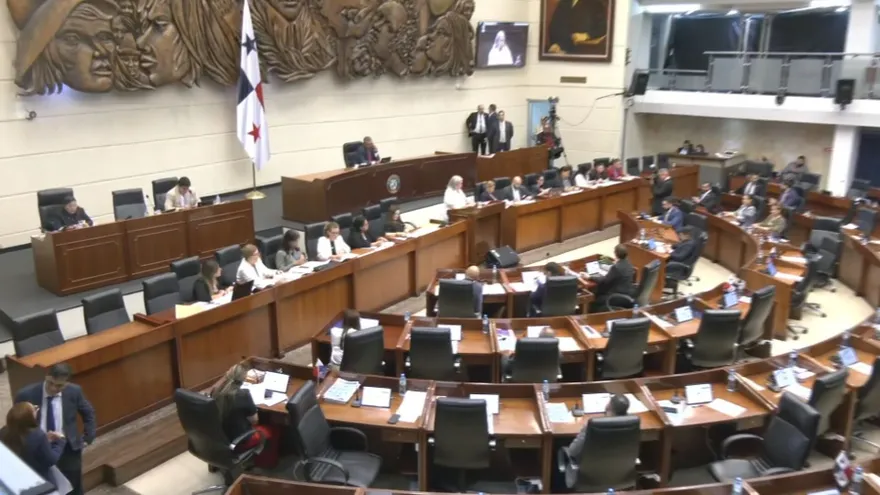
In Panama, bills with fixed deadlines can force the government and the National Assembly to move quickly, especially when the calendar leaves little room for debate. If a proposal carries a legal or procedural expiration date, it can create the need for extraordinary sessions so lawmakers can continue working outside the regular schedule.
That possibility raises the stakes for the executive branch and the legislature, since failing to act in time can delay or derail key policy decisions. Mulino’s comments suggest the bill has moved to the center of the political agenda precisely because of that pressure.
Wider Legislative Context
The president’s remarks also highlight the broader challenge of managing several pending initiatives at once. Governments often have to balance urgent measures with other reforms that may also be important but do not face the same immediate deadline.
When a bill is tied to a specific time window, it can shift priorities across the entire legislative process. That can affect the pace of debate, committee work, and any planning needed to extend sessions beyond the ordinary calendar.
What This Means
Mulino’s warning signals that the coming days may be decisive for the bill and for the Assembly’s schedule. If lawmakers cannot address it in time, the government may have to consider extraordinary sessions to keep the measure alive.
The comments also reflect how deadline-driven legislation can shape political strategy in Panama, where timing often becomes as important as the content of the proposal itself.