
What Happened
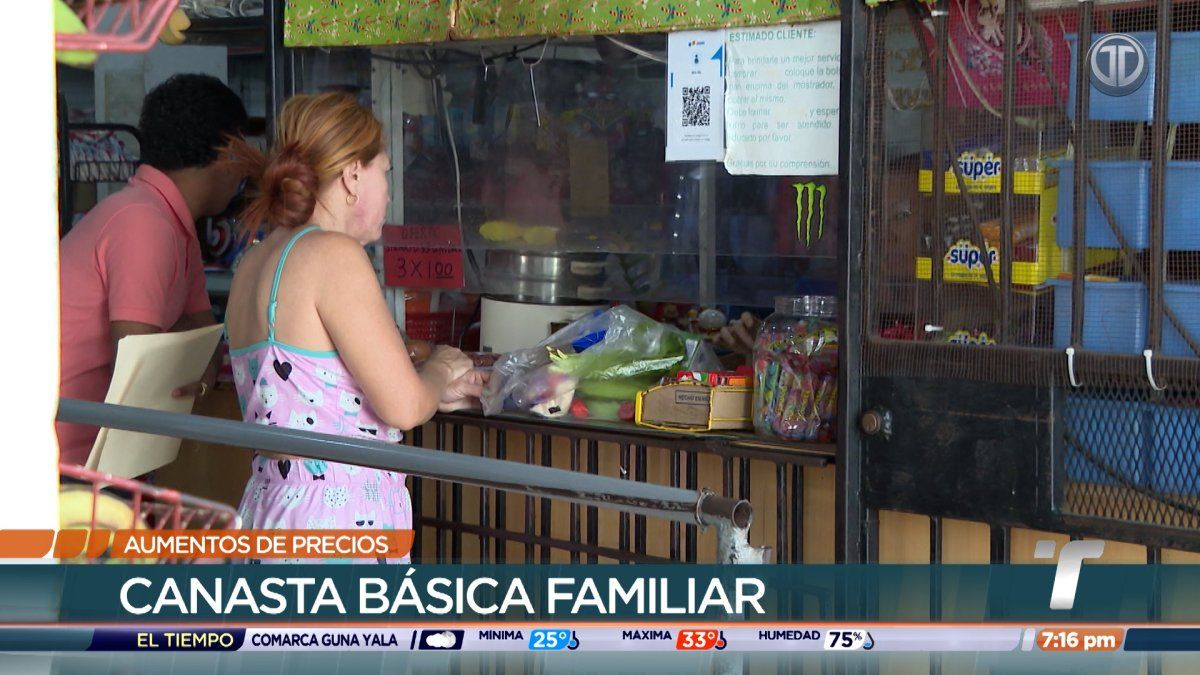
Panama’s consumer protection authority, Acodeco, has reported a slight increase in the prices of chicken and meat intended for soup following its latest measurement in February. The agency warned that the upward trend could persist into March, though it described the change as a modest rise.
Details from Acodeco
The Autoridad de Protección al Consumidor y Defensa de la Competencia (Acodeco) identified the price change after completing its monitoring of basic-basket items. The products singled out by the authority were chicken and meat for soup, both components commonly included in Panama’s Canasta Básica — the set of food and household goods used to track changes in the cost of living.
Background
Acodeco is the government body responsible for consumer protection and promoting fair competition in Panama’s markets. Regular price checks of staple goods are part of its remit to monitor market conditions and alert the public to notable changes that may affect household budgets. The Canasta Básica is closely watched because it reflects costs for items most families rely on for daily consumption.
What This Means
Even a modest increase in poultry and soup-meat prices can have a disproportionate effect on lower-income households, which spend a larger share of their income on food. Continued rises into March could contribute to higher short-term food costs and may influence consumer purchasing choices, meal planning and household budgets.
Outlook and Context
The report from Acodeco does not assign specific causes for the price movement. In general, food prices can fluctuate due to supply chain factors, changes in feed or input costs, seasonal demand, or transport and distribution constraints. Authorities and market participants typically continue monitoring these indicators to see whether a short-term variation becomes a sustained trend.
What Consumers Should Know
Consumers are advised to stay informed through official channels and to compare prices across outlets. Monitoring by Acodeco provides early signals that may prompt households to adjust shopping plans. For policymakers and businesses, such early warnings can inform market oversight and supply responses, although the agency’s update did not specify any immediate regulatory measures.