
What Happened
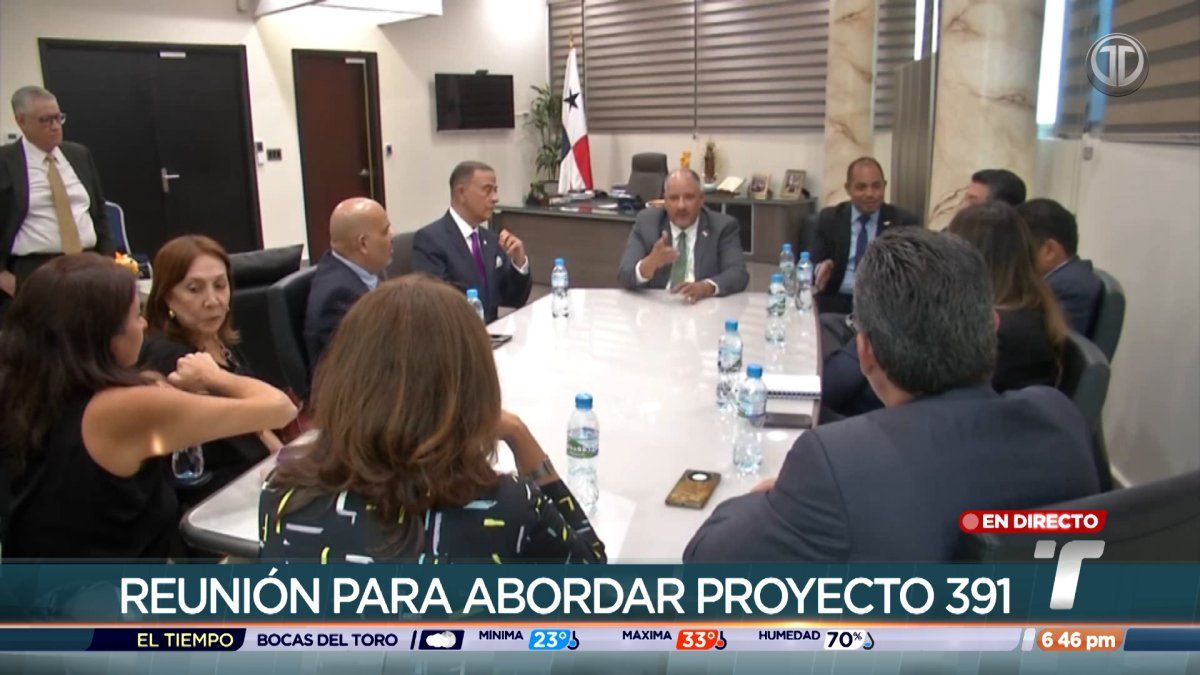
Representatives of Panama’s journalistic guilds met with Jorge Herrera, president of the National Assembly, to discuss Ley 391, the draft law on the right of reply. Herrera committed to take the bill to the members of the commission responsible and to the Assembly Board (Junta Directiva) to seek a resolution on the matter.
Background
Ley 391 addresses the legal framework for the right of reply, a provision that typically allows individuals or entities to seek correction or a response when they consider themselves wronged by media reports. The proposal has attracted attention from media organizations and lawmakers alike, prompting dialogue between the press and the legislature.
What This Means
The Assembly president’s commitment to bring the bill before the responsible commission and the Junta Directiva signals that Ley 391 will proceed through the parliamentary bodies that handle legislative review and scheduling. For journalists and media outlets, parliamentary consideration opens a formal channel to present technical, legal or editorial concerns, and to suggest amendments before the bill advances.
Right-of-reply laws can have varied impacts depending on their design. Supporters argue such laws can strengthen transparency and ensure individuals can correct misinformation, while critics often warn about risks to press freedom if remedies are overly broad or punitive. The meeting underscores the importance of a legislative process that balances protection of reputations with freedom of expression.
Next Steps
With Herrera’s pledge, the immediate next step is review by the commission assigned to the bill and discussion within the Assembly Board, which will influence whether and how the legislation is scheduled for debate and votes. Journalistic organizations will likely continue to engage with lawmakers during that process to clarify provisions and advocate for safeguards relevant to newsroom practices and editorial independence.
As the bill moves through the Assembly, observers will be watching for proposed amendments, the positions of commission members, and any public consultations that may be held. The outcome will shape how the right of reply is implemented in Panama and could set precedents for the relationship between media and regulation.