
What Happened
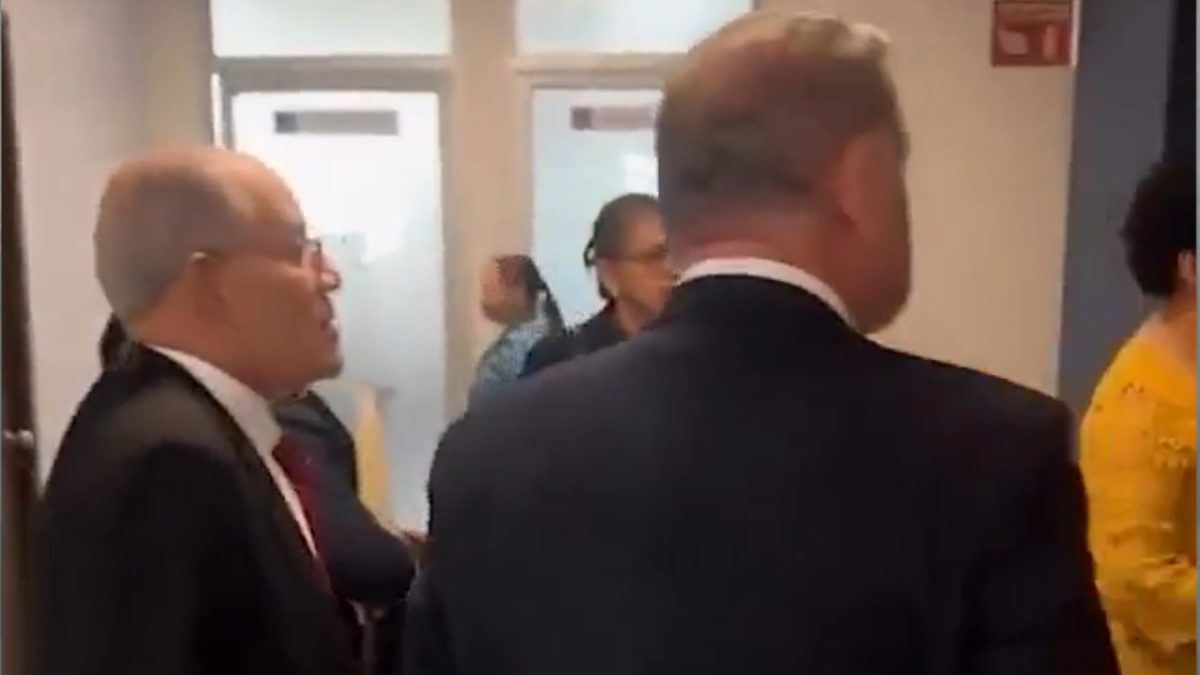
The Public Prosecutor’s Office in Panama has opened an investigation after an alleged interruption involving officials from the Comptroller General’s Office during a proceeding led by the Anti-Corruption Prosecutor’s Office.
The matter places two key state institutions at the center of a dispute that now falls under prosecutorial review. The case concerns conduct inside an official anti-corruption process, an area that has drawn increased public attention in Panama in recent years.
Institutional Tensions
The Comptroller General’s Office and the Public Prosecutor’s Office both play central roles in oversight and accountability, but they operate with different mandates. The Comptroller’s Office is responsible for auditing and fiscal control, while prosecutors handle criminal investigations. When those functions overlap, coordination can become sensitive, especially in corruption-related cases.
An alleged entry into a prosecutorial proceeding raises questions about procedure, authority, and respect for institutional boundaries. In Panama, anti-corruption cases often depend on clear cooperation between oversight bodies and prosecutors, making any dispute between them especially significant.
Why It Matters
Investigations involving public officials can affect confidence in state institutions, particularly when the disagreement involves agencies tasked with enforcing transparency and legality. A probe into the incident may help determine whether protocol was followed and whether any official actions crossed legal or administrative limits.
The case also adds to the broader public debate in Panama over accountability and the strength of anti-corruption enforcement. Even a procedural clash between institutions can have wider implications if it signals friction inside the system meant to investigate misconduct.
Broader Context
Panama has faced sustained scrutiny over corruption and public oversight in recent years, with citizens and watchdog groups closely watching how state bodies respond to allegations involving public power. Cases like this one are often measured not only by the facts under review, but also by how transparently institutions handle tensions between them.
As the investigation moves forward, attention will focus on how the Public Prosecutor’s Office addresses the alleged incident and whether the episode leads to any internal or legal consequences.