
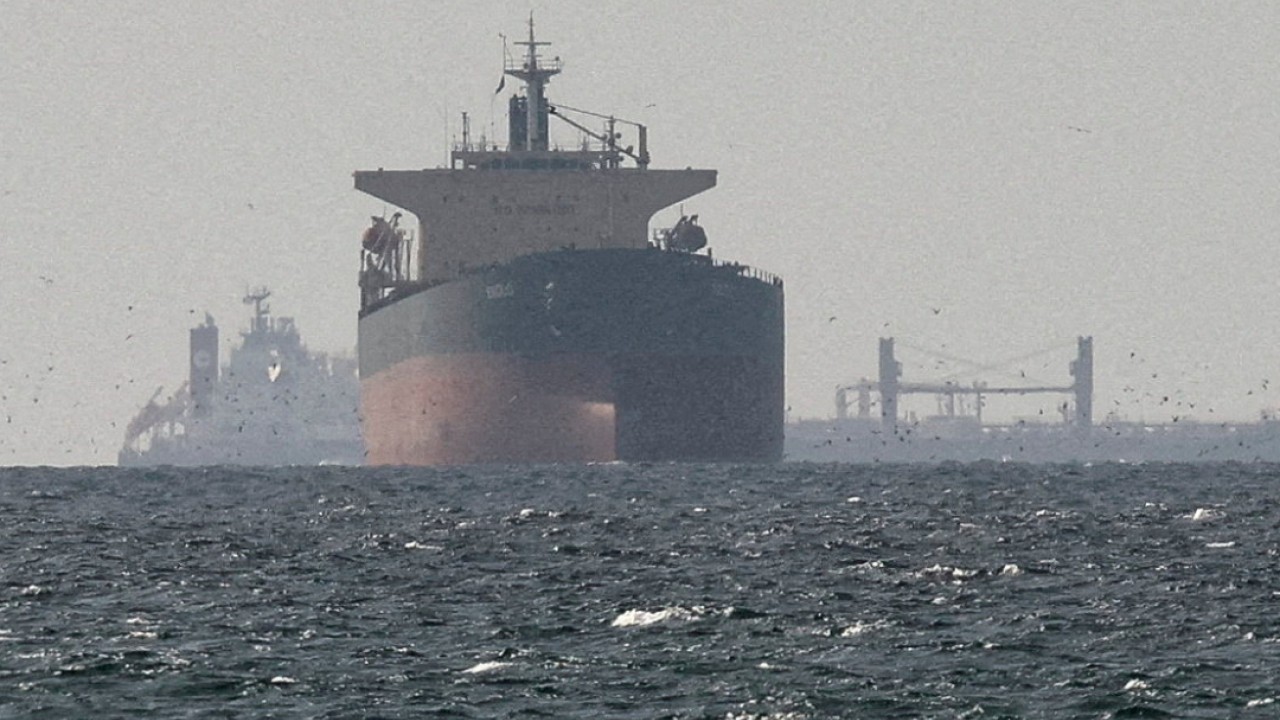
Global markets fell sharply on Monday after President Donald Trump said American forces would block the Strait of Hormuz, a move that intensified the war in the Middle East and sent oil prices surging back above US$100 a barrel. Investors rushed into safe-haven assets as fears grew that the widening conflict could disrupt one of the world’s most critical energy corridors.
What Happened
Equity markets across Asia dropped as traders reacted to the escalating standoff, with Japan and South Korea among the hardest hit. Crude prices jumped sharply, with Brent crude rising 7 per cent and West Texas Intermediate also climbing above the US$100 threshold. The market reaction reflected concern that any disruption in the Strait of Hormuz could choke off a major share of global oil shipments.
The immediate trigger was the collapse of talks between Washington and Tehran aimed at ending the conflict. With diplomacy unraveling, the prospect of a direct U.S. blockade raised the risk of broader military confrontation and a severe shock to energy markets.
Background
The Strait of Hormuz, a narrow waterway between Iran and Oman, is one of the most strategically important shipping lanes in the world. A large portion of the world’s seaborne crude oil passes through it, making it a focal point in any Middle East conflict. Even the threat of disruption tends to push up energy prices and unsettle financial markets far beyond the region.
Oil price spikes of this kind often ripple quickly through the global economy. Higher crude costs can lift fuel prices, raise transportation costs, and add pressure to inflation in importing countries. For major Asian economies such as Japan and South Korea, which rely heavily on imported energy, a sudden jump in oil prices can weaken industrial activity and weigh on consumer spending.
Markets also typically respond to armed conflict with a shift away from riskier assets and toward gold, the U.S. dollar, and government bonds. That flight to safety was evident in Monday’s trading as investors assessed the possibility that the conflict could broaden further.
Why It Matters
This escalation matters because it threatens both global energy security and financial stability at a moment when many economies remain sensitive to inflation and supply shocks. A prolonged disruption in the Strait of Hormuz could push fuel costs higher worldwide, complicating central bank efforts to keep prices under control.
For Latin America, the impact could be mixed. Oil-exporting countries may benefit from higher prices, but importers could face stronger inflation and increased transport and power costs. Panama, as a logistics and shipping hub with strong exposure to global trade flows, would not be insulated from a sustained rise in fuel prices or wider turbulence in maritime commerce. Any disruption that raises shipping costs or slows international trade would be felt in the region’s ports, supply chains, and consumer prices.
The market response underscores how quickly a regional war can become a global economic event. When trade routes, energy supplies, and military escalation converge, the consequences can extend far beyond the battlefield.