
North Korea’s latest weapons tests have raised tensions on the Korean peninsula just as a high-stakes US-China summit approaches, but analysts say the flare-up may also create space for Beijing to resume its role as an intermediary between Pyongyang and Washington.
What Happened
Pyongyang has recently carried out a new round of weapons tests, including exercises involving cluster munitions and a radar-evading system, in a visible display of military capability ahead of the upcoming summit between the United States and China. The timing suggests North Korea is seeking to remind both Washington and Beijing of its relevance as regional diplomacy intensifies.
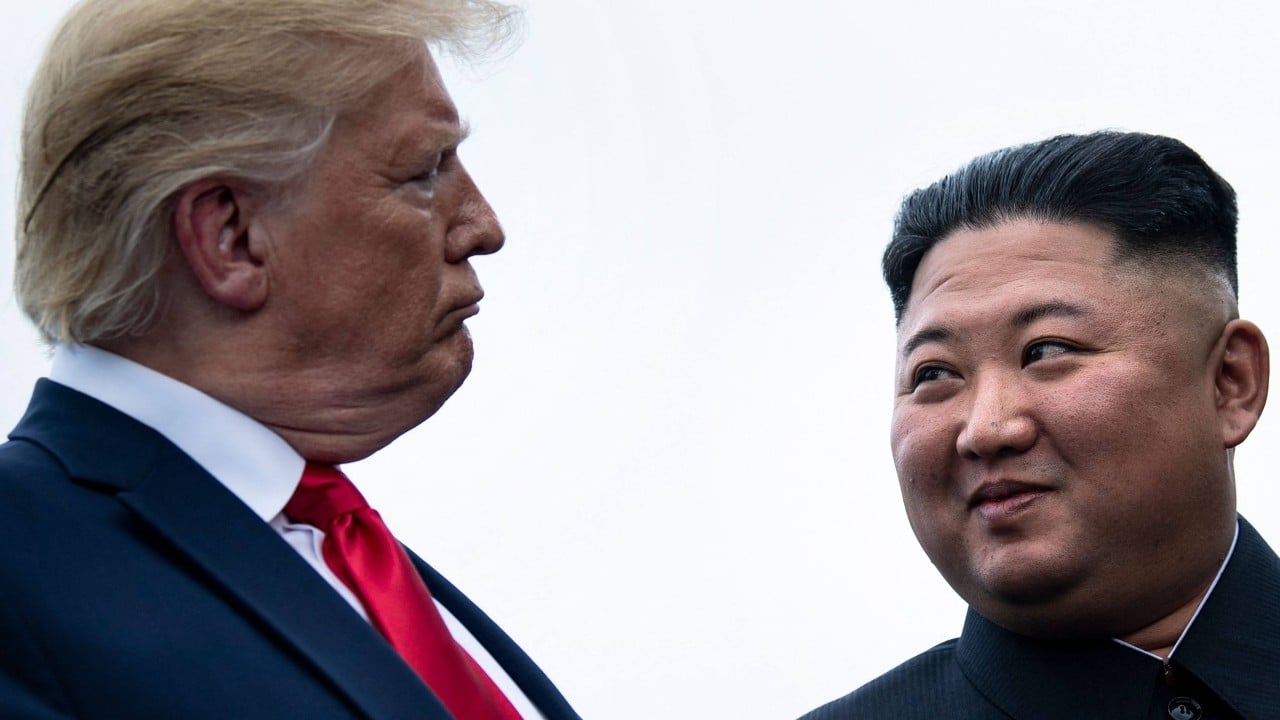
Observers say the summit could be used by China to help lay the groundwork for renewed contact between North Korean leader Kim Jong-un and US President Donald Trump. Such a move would not be unusual: Beijing has long served as the key diplomatic channel between North Korea and the outside world, especially when direct negotiations between Pyongyang and Washington have stalled.
Background
North Korea has repeatedly used missile and weapons tests to signal resolve, extract diplomatic leverage, and push for recognition as a nuclear-armed state. The country’s weapons programs have been the subject of sanctions and years of negotiations that have alternated between confrontation and dialogue.
Trump and Kim met several times during Trump’s first term, including in landmark summits that briefly opened the door to negotiations over denuclearization and sanctions relief. Those talks ultimately failed to produce a lasting agreement, but they established a direct leader-to-leader channel that remains politically significant in the region.
China’s role also remains central. Beijing is North Korea’s main economic partner and a critical buffer against instability on the peninsula. When tensions rise, Chinese officials often seek to prevent escalation while preserving their influence over any future diplomatic process.
Why It Matters
The latest tests underscore how fragile the security situation remains in Northeast Asia and how quickly North Korea can inject pressure into broader geopolitical talks. Any renewed channel between Kim and Trump would be watched closely by allies in the region, including South Korea and Japan, which depend on stability in the peninsula.
For Panama and Latin America, the story matters less for its immediate security implications than for what it reveals about the wider contest among major powers. A US-China summit that touches on North Korea could also affect trade tensions, diplomatic alignment, and the broader tone of relations between Washington and Beijing, all of which can spill over into global markets and developing economies that rely on stable international commerce.
If China succeeds in nudging the United States and North Korea back toward dialogue, it would reinforce Beijing’s standing as a global broker at a time when the rivalry between the two powers is intensifying. If not, the tests could deepen mistrust and increase the risk of further military provocation on one of the world’s most dangerous flashpoints.