
What Happened
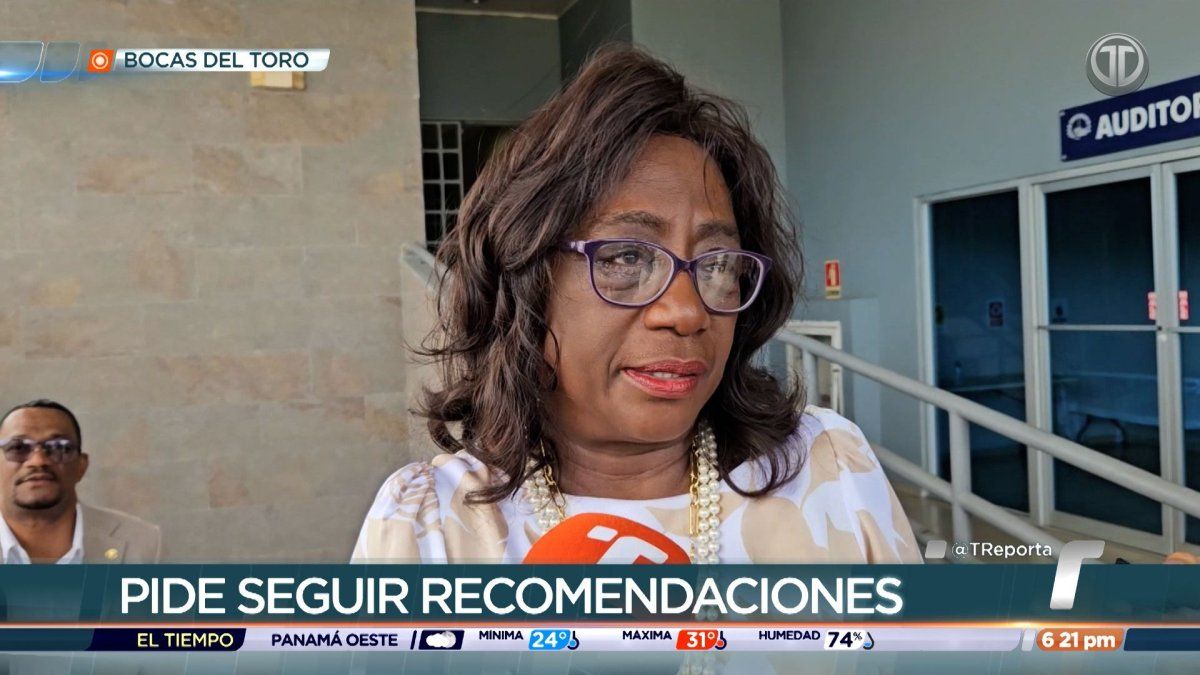
Education Minister Lucy Molinar expressed sorrow over the deaths of two students who died after crossing rivers in the Ngäbe Buglé Comarca. The tragedy has drawn attention to the risks faced by students and families in remote areas of Panama during difficult travel conditions.
Safety Guidance for Schools and Families
Molinar called on the entire education community to follow the recommendations in the disaster preparedness manual. Her appeal highlights the need for caution in areas where students may face natural barriers such as swollen rivers, unstable roads, and changing weather conditions.
In Panama’s rural and indigenous regions, access to schools can depend on crossings and routes that become dangerous during rainy periods. The latest deaths underline the importance of preparedness measures designed to reduce preventable loss of life.
Broader Context
The Ngäbe Buglé Comarca is one of Panama’s most geographically challenging regions, with communities spread across mountainous terrain and river systems. For students who must travel daily to attend classes, safe transportation and emergency awareness remain critical concerns.
Molinar’s comments place renewed emphasis on disaster prevention in schools, especially in areas where families and teachers must make decisions based on local conditions. The incident also reflects broader concerns about infrastructure and access in remote parts of the country.
What This Means
The deaths serve as a painful reminder that school safety in Panama goes beyond classrooms. It includes the routes students take to get there, the weather they face, and the preparedness of communities when emergencies arise.
By urging adherence to disaster recommendations, the Education Ministry is reinforcing the role of prevention in protecting students across the country, particularly in vulnerable rural zones.