
What Happened
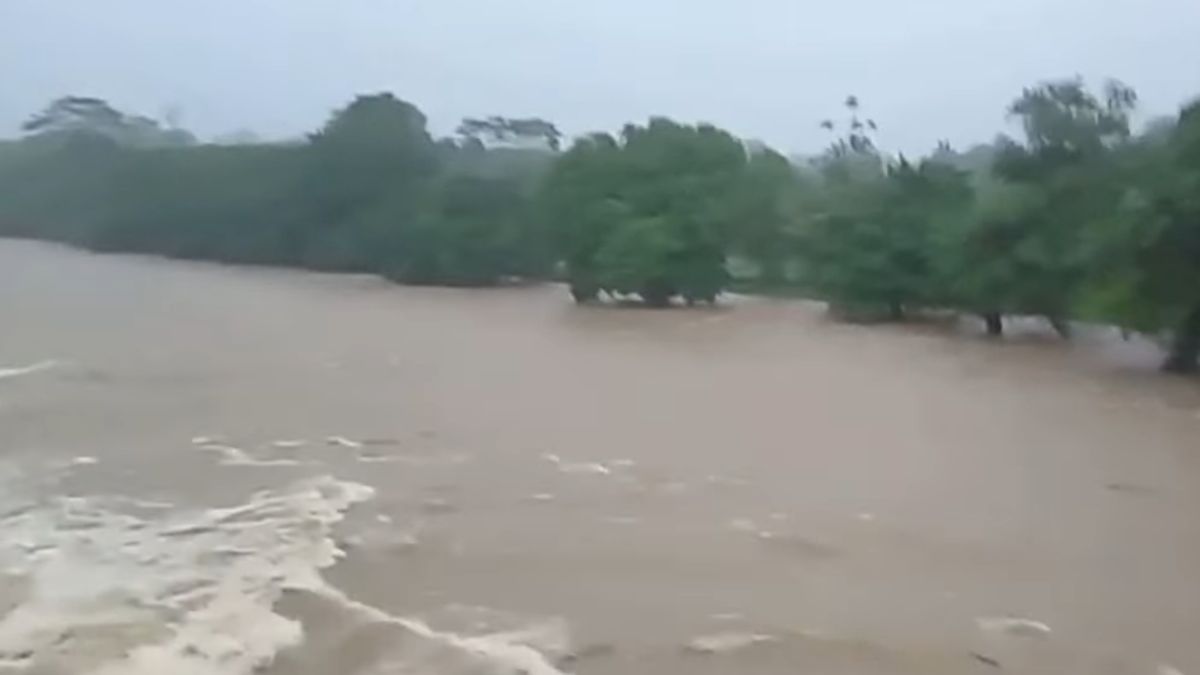
A 15-year-old boy died after attempting to cross a river in the Ngäbe-Buglé comarca as intense rainfall caused the waterway to rise suddenly. The strong surge created a flash flood that swept the teenager away.
The incident underscores the danger of crossing rivers during heavy rain, when water levels can rise fast and without warning. In rural parts of Panama, swollen rivers and unstable crossings can quickly become life-threatening.
Weather and Local Risk
Heavy rains can trigger sudden river surges, especially in mountainous and remote areas like Ngäbe-Buglé. These conditions are particularly hazardous for children and teenagers who may need to travel on foot through areas with limited infrastructure.
Flash floods are among the most dangerous weather-related threats in Panama’s interior and indigenous regions because a river can appear manageable before a sudden current increases sharply. Even shallow water can become powerful enough to pull people off balance and carry them downstream.
Why This Matters
The tragedy highlights the ongoing risk posed by severe weather in communities where river crossings are part of daily life. During periods of heavy rainfall, local residents often face difficult choices between continuing travel and waiting for conditions to improve.
For families in Ngäbe-Buglé and other rural areas, the incident is a stark reminder of the need for caution around rivers, streams, and low-lying crossings whenever storms intensify. In Panama, seasonal rains regularly create dangerous conditions in parts of the country, especially outside major urban centers.
Broader Context
Ngäbe-Buglé, Panama’s largest indigenous comarca, includes remote terrain where weather events can have immediate and serious consequences. When rivers swell, access routes can become unsafe in a matter of minutes, increasing the danger for anyone moving through the area.
The death adds to concerns about how quickly extreme rain can turn routine travel into an emergency. It also serves as a reminder that flood awareness and safe crossing decisions are critical during periods of persistent rainfall across Panama.