
What Happened
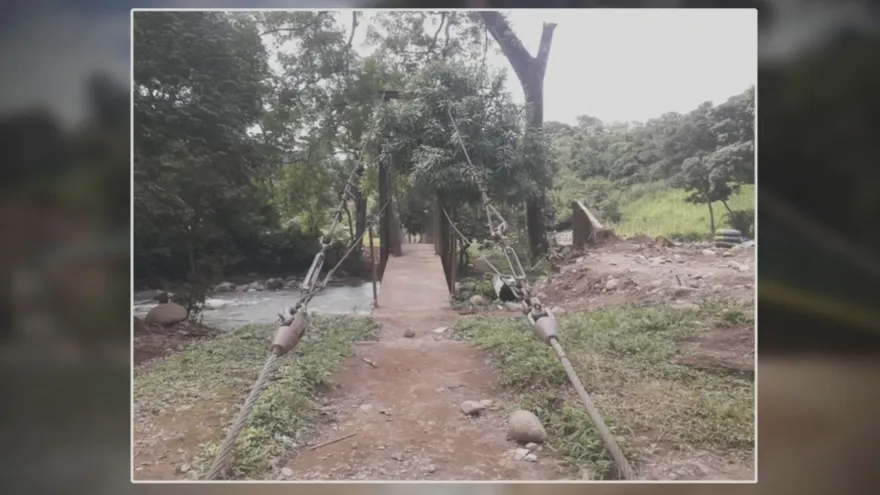
Panama has approved an additional credit of more than $12 million to build 50 zarzo bridges in the Ngäbe Buglé comarca, a project aimed at improving access in remote communities.
The bridges are intended to address a long-standing safety problem in hard-to-reach areas where residents, including students, must cross difficult terrain and waterways to travel to school and carry out daily activities.
Why the Project Matters
For years, travel in parts of the Ngäbe Buglé comarca has depended on makeshift crossings and other risky routes, especially during the rainy season. The new bridges are meant to provide safer passage and reduce the danger faced by people who regularly move between homes, schools, and nearby communities.
The investment reflects a broader effort to improve rural infrastructure in one of Panama’s most isolated regions. In communities where road access remains limited, footbridges can be essential for education, mobility, and emergency access.
Background on the Need
The construction plan responds to a historical problem that has affected residents in the comarca for generations. The decision comes after repeated concerns about the risks faced by students and families who must cross rivers and ravines in areas with few formal transport options.
Zarzo bridges are commonly used in rural Panama because they can connect communities across difficult terrain without requiring major roadworks. In places like Ngäbe Buglé, they can make the difference between safe access and dangerous detours.
What This Means for the Comarca
The approval of this additional funding is expected to move the bridge program forward and improve connectivity in communities that have long waited for safer infrastructure. Beyond immediate safety, the project could support school attendance and daily movement in the area.
As the bridges are built, they are likely to become a visible sign of state investment in rural development in Panama’s indigenous territories, where access to basic services often remains uneven compared with urban centers.