
What Happened
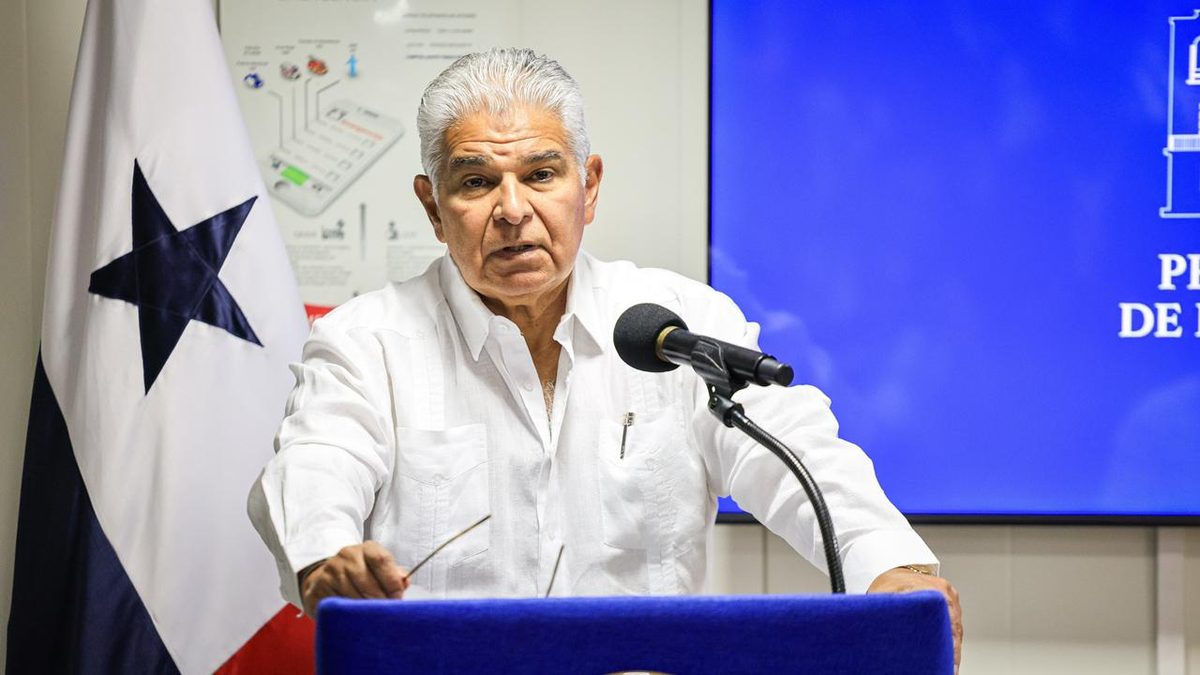
President José Raúl Mulino addressed the rise in Panama’s state payroll and rejected claims that the increase is tied to political favors or so-called “botellas,” a local term used to describe ghost jobs. He said the expansion reflects the need to keep essential public services running.
The president’s remarks come amid public attention on government spending and staffing levels across state institutions. Payroll costs are often closely watched in Panama because they affect the national budget and the delivery of basic services to citizens.
Why the Payroll Increase Matters
A larger public payroll can signal either administrative growth or pressure on the state to meet service demands. In Mulino’s explanation, the increase is meant to support functions that are necessary for the daily operation of government, including services that directly affect the public.
The issue is politically sensitive in Panama, where concerns about patronage hiring have long shaped debate over public-sector transparency and efficiency. By denying that the increase is linked to political rewards, Mulino sought to frame the staffing changes as a practical response to state needs rather than political bargaining.
Public Debate Over Government Staffing
Questions about payroll management often connect to wider discussions about how Panama allocates public resources. When state hiring rises, scrutiny typically follows over whether new positions are justified, how they are funded, and whether the jobs improve service delivery.
Mulino’s comments place the debate in the context of governance and institutional capacity. His defense suggests that his administration wants to present the payroll increase as part of maintaining core functions rather than as an example of waste or favoritism.
Broader Context
In Panama, public confidence in government spending depends heavily on transparency and accountability. Terms like “botellas” carry strong public concern because they imply salaries paid without real work, a problem that can erode trust in institutions and weaken support for state investment.
As the administration continues to manage budget pressures and public expectations, the handling of the state payroll is likely to remain part of the broader conversation about government reform, efficiency, and service delivery.