
What Happened
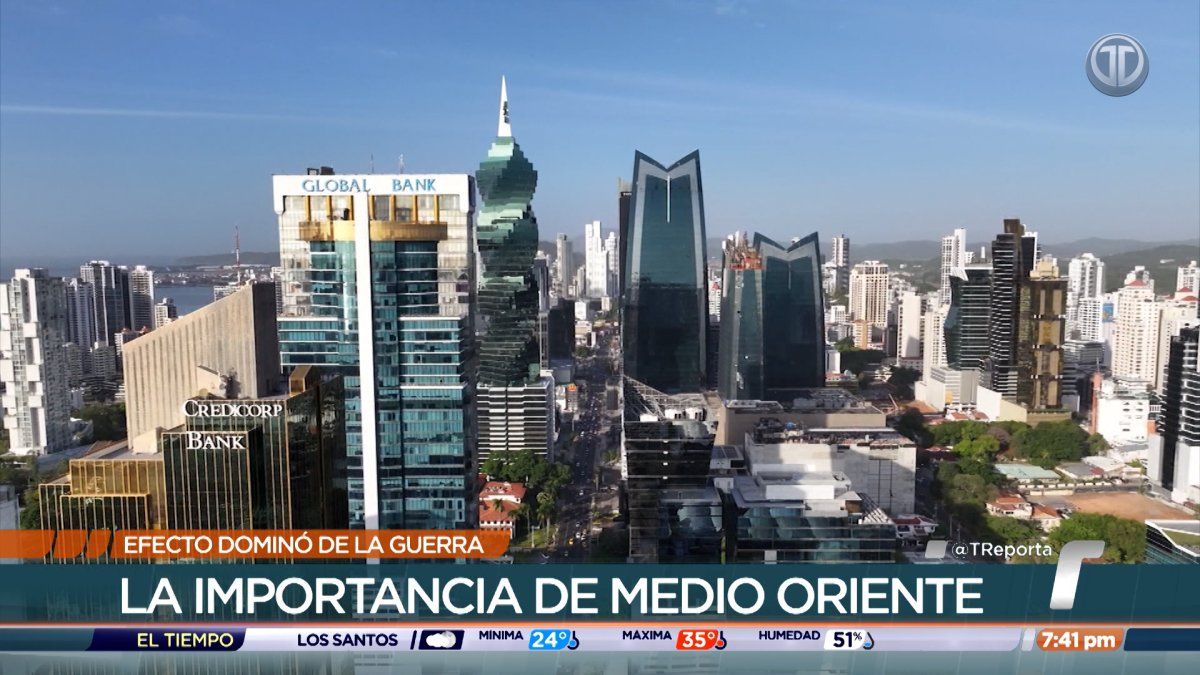
Conflict in the Middle East is producing a domino effect across global markets. The unfolding war has disrupted trade flows, increased uncertainty in commodity and financial markets, and prompted sectors across countries to reassess risks. In Panama, representatives from multiple economic sectors have warned that these international shocks can transmit rapidly to the local economy and to vulnerable populations.
How It Affects Panama
Panama’s economy is tightly linked to global trade, finance and shipping. While the conflict is geographically distant, its economic consequences can reach the country through several channels. Disruptions to shipping routes and higher global shipping costs can affect transit volumes and logistics operators connected to the Panama Canal and Panama’s ports. Volatility in energy and commodity markets can raise import bills and inflation, eroding household purchasing power.
Financial market uncertainty and risk aversion among international investors could also influence capital flows to Panama, with potential effects on credit conditions and foreign direct investment. Sectors that serve vulnerable workers and low-income households are particularly at risk from price shocks or slower economic activity, according to the sectors monitoring the situation.
Alternatives and Policy Options
To limit harm to the most vulnerable, experts from affected sectors urge authorities and private actors to explore contingency measures. These include strengthening social safety nets, targeting support to populations most exposed to rising costs, and enhancing supply-chain resilience for critical goods. For businesses, diversifying suppliers and reviewing logistics plans may reduce the direct impact of route disruptions and price spikes.
Authorities and firms can also increase communication with stakeholders to manage expectations and coordinate responses across ports, logistics services and financial institutions. Such coordination can help preserve continuity of operations and reduce the secondary effects of global instability on local communities.
What This Means
Although Panama is not at the center of the conflict, the country is not isolated from its economic consequences. The rapid transmission of global shocks underscores Panama’s exposure as a trade and logistics hub and highlights the importance of preparedness and targeted protections for vulnerable groups. As sectors continue to monitor developments, policymakers and businesses face decisions about how best to shield the economy and households from the most damaging ripple effects of the war.