
What Happened
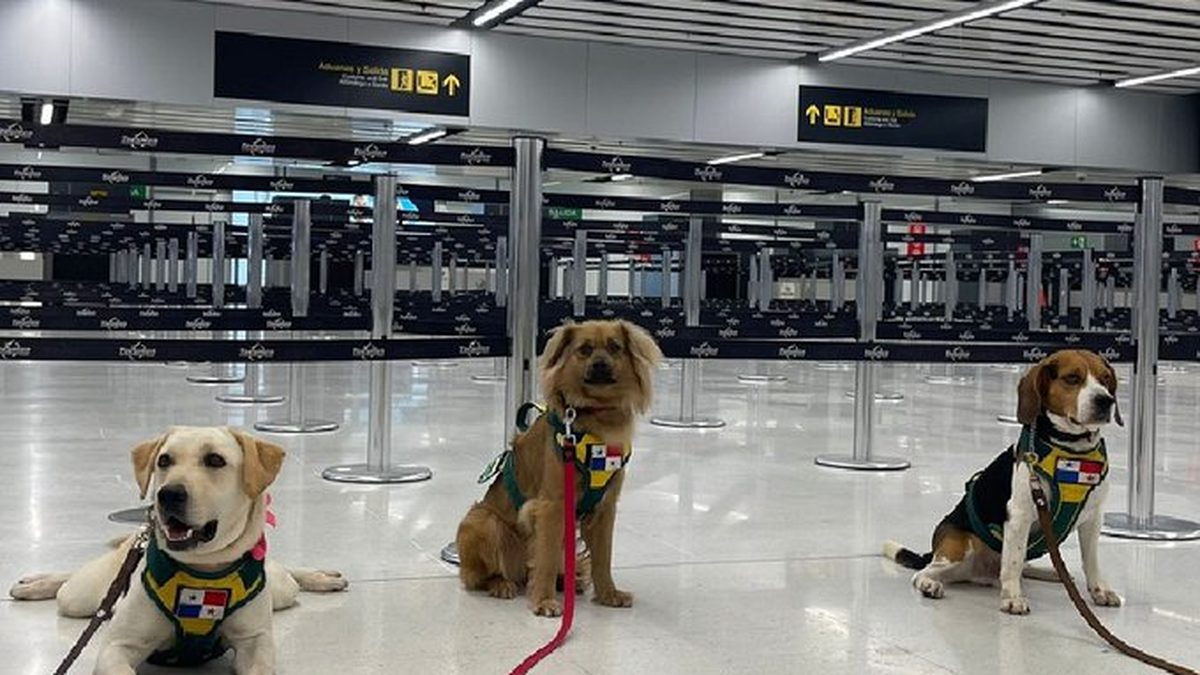
The Ministry of Agricultural Development’s canine unit seized 286.19 kilograms of animal and plant products from passengers’ luggage at Tocumen International Airport during April. The action took place as part of routine airport inspections aimed at preventing the entry of items that can affect the country’s sanitary controls.
The confiscated goods were found in baggage carried by travelers passing through Panama’s main international gateway. Tocumen is the country’s busiest airport and a key point of entry for goods and visitors arriving from abroad.
Why These Inspections Matter
Animal and plant products are closely monitored because they can carry pests, diseases, or contaminants that threaten local agriculture, livestock, and food safety. For a country like Panama, protecting sanitary conditions is important not only for domestic production but also for trade and regional biosecurity.
Airport controls are especially significant at Tocumen, where high passenger traffic increases the risk of prohibited or undeclared products entering the country. Canine inspections are used to help detect items that may be difficult to identify through visual screening alone.
Panama’s Biosecurity at the Border
Panama’s agricultural authorities regularly enforce rules governing the entry of food, seeds, plants, and animal-based products. These measures are intended to reduce the chance of introducing foreign species or diseases that could harm farms, gardens, and ecosystems.
The seizure in April highlights the continuing role of border inspections in Panama’s biosecurity strategy. By removing undeclared or restricted products from circulation, authorities seek to limit the spread of risks before they reach markets, homes, or production areas.
What Travelers Should Know
Passengers arriving in Panama are expected to comply with sanitary controls and declare restricted products when required. Items of animal or plant origin may be subject to inspection, seizure, or other penalties depending on the type of product and the applicable regulations.
For travelers, the message is clear: food, seeds, meats, fruits, and similar items can trigger controls at the airport. For the country, the operation reinforces the importance of keeping Panama’s entry points under close watch to protect agriculture and public health.