
What Happened
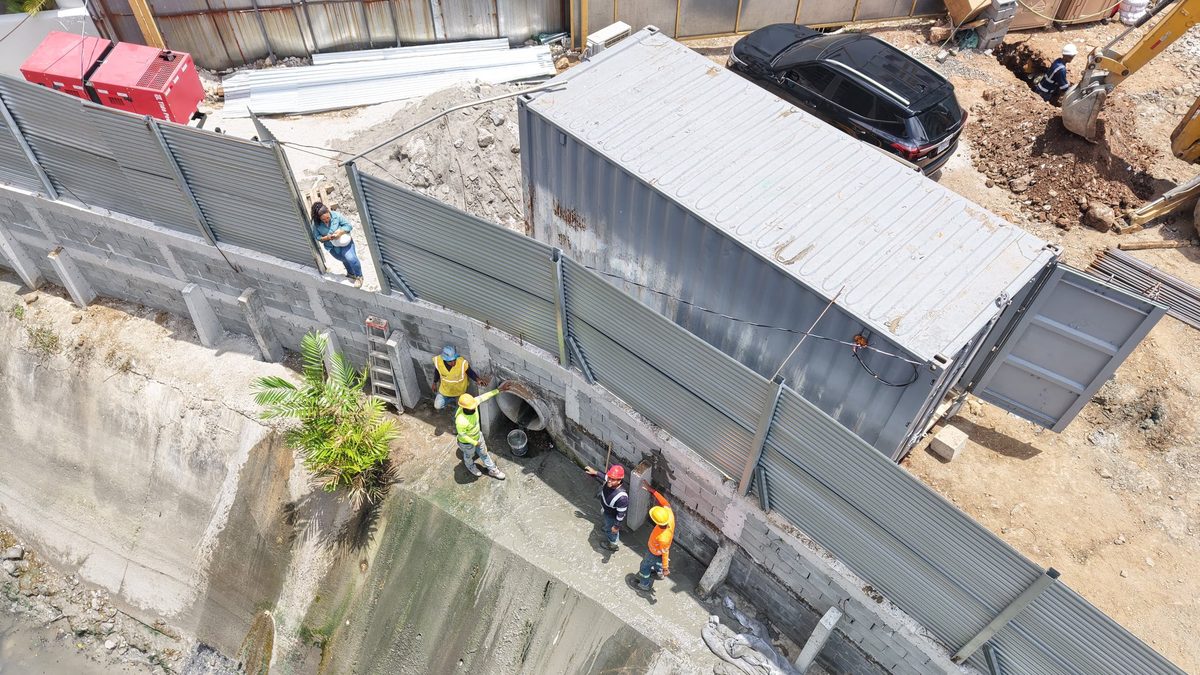
Panama’s Ministry of Environment, known as MiAmbiente, has stopped construction work in Marbella after identifying an illegal discharge of sediments.
The ministry also summoned those responsible to appear before the Metropolitan Regional office on April 15, 2026.
Why It Matters
Sediment discharges can affect urban drainage, nearby waterways, and coastal areas, especially in a dense district such as Marbella in Panama City. Environmental enforcement actions like this are meant to prevent damage and ensure construction activity follows national rules.
The move reflects ongoing scrutiny of development projects in the capital, where construction continues to reshape the skyline while also placing pressure on environmental oversight.
Official Response
MiAmbiente’s order signals that the case will now proceed through the administrative process, with the cited parties required to answer for the discharge in the coming hearing.
Marbella, one of Panama City’s most active commercial and residential areas, has seen sustained construction in recent years, making environmental compliance an important part of project management in the district.
Context
Panama’s environmental authorities regularly intervene when construction activity poses risks to soil, water, or public infrastructure. In areas with heavy development, sediment control measures are especially important because runoff can clog drains and affect surrounding communities.
The enforcement action adds to broader attention on how construction firms manage environmental safeguards in the capital as development continues across the city.