
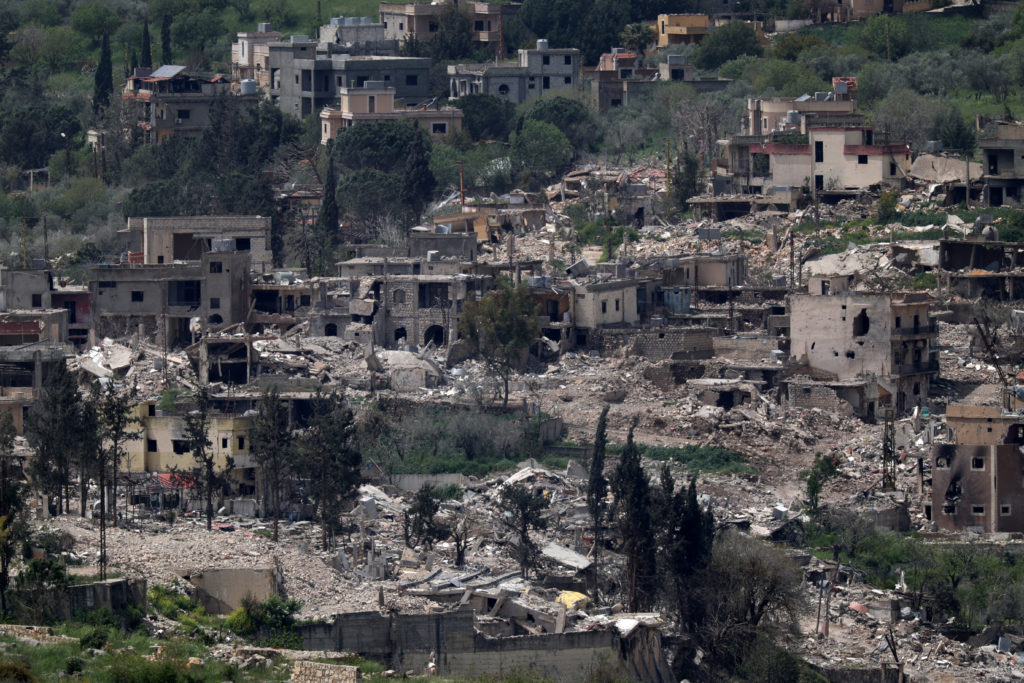
A fragile ceasefire between Israel and Hezbollah appeared to be holding as Lebanon cautiously welcomed the end of weeks of punishing fighting, while Iran said it would reopen the Strait of Hormuz to commercial shipping. The two developments underscored how quickly the regional conflict has begun to shift from battlefield escalation toward tense diplomatic maneuvering, even as the risk of renewed violence remains high.
What Happened
The day-old truce between Israel and Hezbollah held through early signs of calm, prompting cautious celebration in Lebanon after weeks of destructive warfare that had battered communities and deepened fears of a wider regional war. The ceasefire offered the first real pause in fighting after a period of intense strikes and retaliation that had shaken both Lebanon and northern Israel.
At the same time, Iran announced that it would reopen the Strait of Hormuz to commercial sea traffic. The move was quickly welcomed by President Donald Trump in a social media post, even as he said the U.S. blockade of Iran’s ports could remain in place. The competing signals point to an uneasy balance between de-escalation and continued economic pressure.
The Strait of Hormuz is one of the world’s most important maritime chokepoints, carrying a large share of global oil and gas shipments. Any disruption there can quickly ripple through energy prices, shipping routes, and insurance costs far beyond the Gulf.
Background
The Israel-Hezbollah conflict has long been tied to broader regional tensions involving Iran, Israel, and armed groups across the Middle East. Hezbollah, based in Lebanon and backed by Iran, has repeatedly clashed with Israel over the years, but recent fighting marked one of the most serious escalations in the border conflict in a long time.
Lebanon has faced repeated political and economic crises in recent years, leaving the country especially vulnerable to a new round of war. Even limited fighting can have severe consequences there, damaging infrastructure, displacing civilians, and placing new strain on already stretched public services.
The Strait of Hormuz has also been a recurring flashpoint in Middle East diplomacy and military standoffs. Because so much energy trade passes through the waterway, threats to shipping often become international crises, drawing in the United States and other major powers concerned about global fuel supplies and maritime security.
Why It Matters
The ceasefire offers a rare chance to halt a conflict that threatened to expand across the region, but its durability is uncertain. If the truce holds, it could reduce pressure along Israel’s northern border and provide Lebanon with at least temporary relief. If it collapses, the fighting could quickly reignite a broader confrontation involving Iran and other allied groups.
Iran’s move on the Strait of Hormuz also carries global economic importance. Even a partial reopening or temporary easing of maritime restrictions can affect oil markets, shipping costs, and the flow of goods through the Middle East. For Latin America, including Panama, this matters because disruptions to global trade routes can influence freight prices, fuel costs, and broader supply-chain stability.
Panama, as a crossroads for international shipping, is especially exposed to shifts in global maritime risk. When tensions rise in strategic waterways like Hormuz, insurers, carriers, and exporters around the world can adjust routes and costs, with effects that eventually reach ports and consumers in the Americas.
For now, the immediate story is one of fragile relief: a ceasefire that has not yet broken, and a regional standoff that remains dangerous even as some pressure begins to ease.