
What Happened
Teachers in Kankintú are calling for safer crossings after the death of student Sergio Ábrego, who was trying to return home after finishing an assignment when he was swept away by the current of a creek that appeared harmless.
The tragedy has renewed concern over the safety of rural river and stream crossings in areas where residents depend on improvised routes to travel between home, school, and community centers.
Why the Call for Bridges Matters
In communities like Kankintú, bridge crossings can mean the difference between safe access and deadly risk, especially during rainy periods when creeks and streams can rise quickly. The plea from educators reflects a broader demand for infrastructure that protects students and families who must cross waterways in their daily routines.
The loss of a young student has sharpened frustration over conditions that residents say leave people exposed to preventable accidents. For teachers, the message is clear: no other family should have to suffer a similar loss because of unsafe crossings.
Local Impact
Schools in remote areas often serve as the center of community life, and the journey to and from class is part of the daily reality for many children. When those routes include unprotected or unstable crossings, the risk extends beyond the classroom and affects access to education itself.
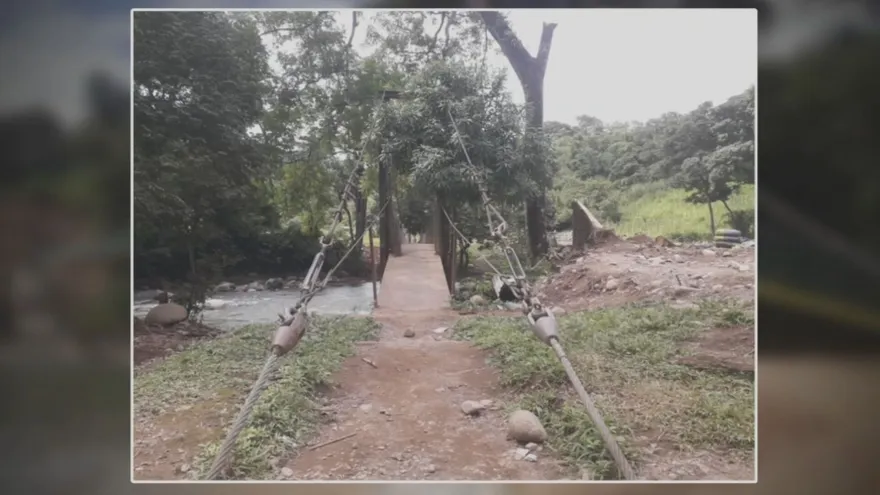
The call for the construction of zarzos, or suspended footbridges, points to a practical solution widely used in rural areas to help pedestrians cross difficult terrain. For Kankintú, such infrastructure would not only improve mobility but also reduce exposure to dangerous currents during ordinary trips home.
Broader Context
Rural infrastructure remains a critical issue in many parts of Panama, where some communities still rely on basic paths and makeshift crossings. Safety concerns become especially urgent in places where weather and geography can quickly turn a small creek into a life-threatening obstacle.
The death of Sergio Ábrego has become a stark reminder of how vulnerable students can be when safe transport routes are lacking. The teachers’ appeal places pressure on authorities to treat bridge construction as a matter of urgency, not convenience.