
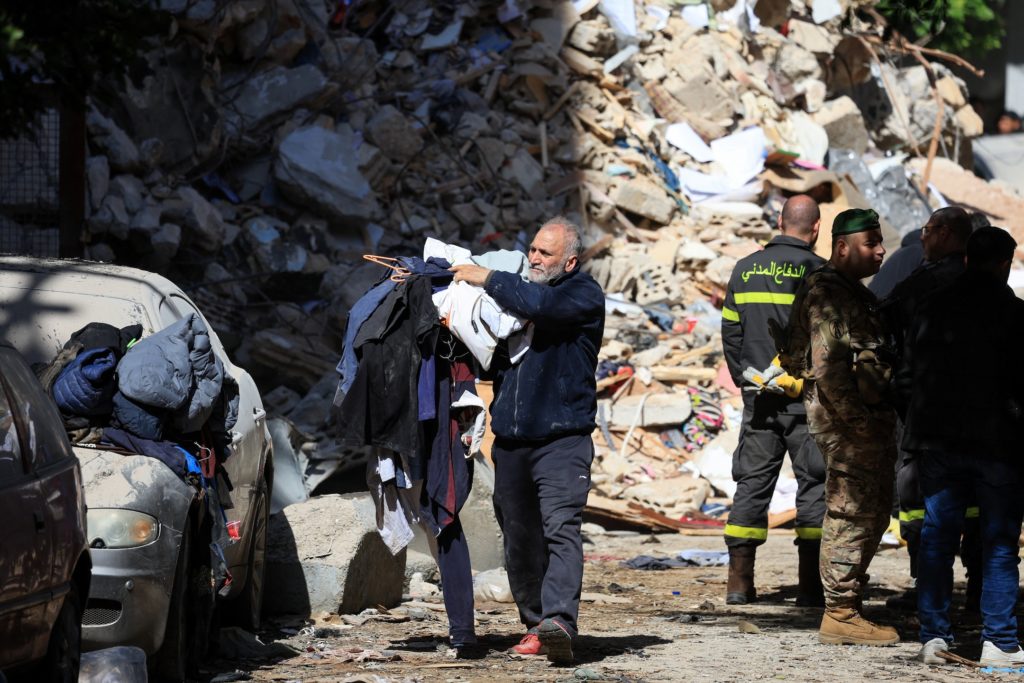
Israel has agreed to enter negotiations with Lebanon as continued strikes in the region threaten to weaken a fragile ceasefire involving the United States and Iran. The move comes at a moment when diplomats are trying to keep a wider confrontation from reigniting after more than five weeks of fighting.
What Happened
Israel said it would take part in talks with Lebanon while its military activity continues to draw concern over the durability of the current ceasefire arrangement. The renewed diplomacy comes as American and Iranian officials are preparing for meetings in Pakistan, adding another layer of urgency to efforts to prevent the conflict from widening.
Those talks are unfolding against a backdrop of deep mistrust. Despite the ceasefire, strikes have continued to create pressure on the agreement, raising fears that even limited attacks could undermine the broader push to halt hostilities. The diplomatic track now depends on whether the parties can bridge major differences and keep military activity from escalating further.
Background
The current tension sits within a larger regional struggle involving Israel, Iran, Lebanon, and U.S. diplomacy. Ceasefires in the Middle East are often fragile because they rely not only on formal agreements but also on restraint by multiple armed actors and political leaders who may not fully control events on the ground.
Lebanon has long been vulnerable to spillover from wider regional conflicts, especially when tensions rise between Israel and Iran or between Israel and Iran-backed forces operating near its border. Any new talks between Israel and Lebanon therefore carry significance beyond the immediate battlefield, because they can shape whether the violence remains contained or spreads further.
For Washington, preventing a broader war has become a central concern. The United States has often acted as a mediator in regional crises involving Israel and its neighbors, especially when the risk of escalation could draw in additional powers and destabilize an already volatile area.
Why It Matters
The negotiations matter because the stakes extend well beyond one border dispute. If the ceasefire collapses, the result could be a larger regional confrontation with consequences for energy markets, security across the eastern Mediterranean, and global diplomatic efforts to de-escalate tensions involving Iran.
For Latin America, the main impact would likely come indirectly through oil prices, shipping costs, and broader geopolitical instability that can affect inflation and trade. Panama, as a global logistics hub tied to international commerce and maritime traffic, is especially sensitive to any conflict that disrupts shipping routes or fuels market volatility.
Whether the talks produce a durable pause in fighting will depend on sustained restraint and credible commitments from the parties involved. For now, the agreement to negotiate offers a narrow opening — but the continued strikes show just how precarious that opening remains.