
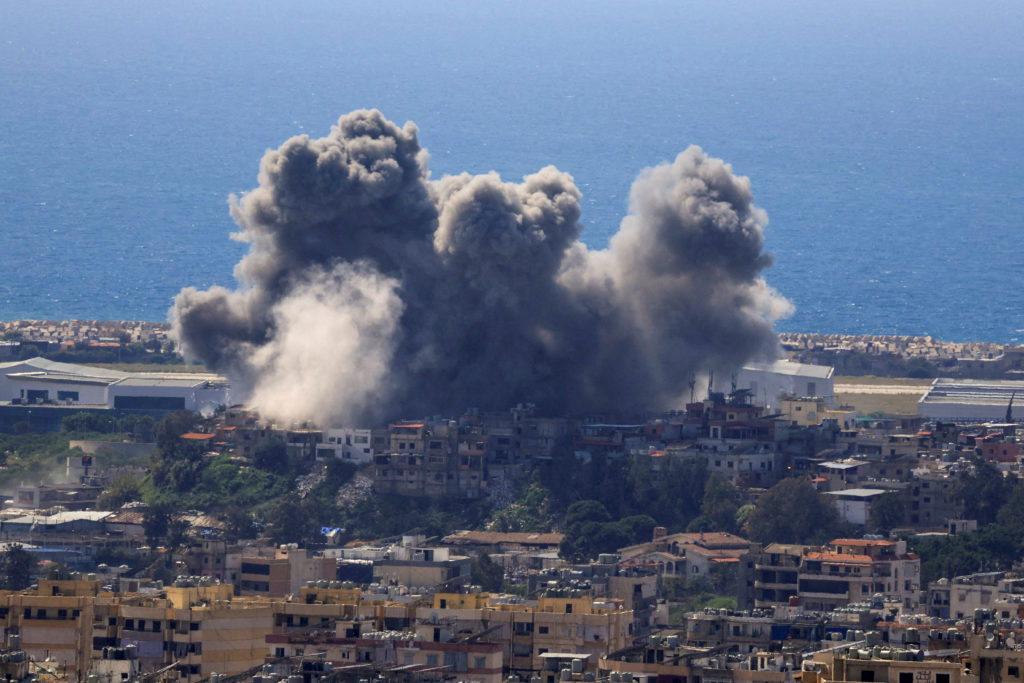
Israel carried out strikes in Lebanon hours after a ceasefire between the United States and Iran was announced, intensifying fears that an already volatile regional situation could broaden further. The timing of the attacks has added to confusion around the durability of the truce and underscored how quickly tensions can spill across borders in the Middle East.
What Happened
Israeli strikes in Lebanon followed the announcement of a ceasefire involving the United States and Iran, raising concerns that the pause in hostilities could be undermined almost immediately. The attacks came amid an atmosphere of uncertainty, with regional actors and observers watching closely for signs of escalation or restraint.
Lebanon has repeatedly found itself pulled into wider regional confrontations, particularly when fighting between Israel and armed groups across the border intensifies. Any new round of strikes there carries the risk of drawing in additional actors and widening an already dangerous confrontation.
Background
Tensions between Israel and Iran have been among the most destabilizing forces in the Middle East for years, with conflict often unfolding indirectly through allied militias, cross-border attacks, airstrikes, and political brinkmanship. Lebanon is especially vulnerable because of its border with Israel and the presence of Hezbollah, which has long been a central player in the region’s confrontations.
Ceasefires involving major powers and regional rivals are often fragile because they depend not only on the direct parties, but also on aligned groups operating in neighboring states. Even when formal diplomatic understandings are reached, military actions on the ground can quickly alter the political climate and reduce confidence that any pause will hold.
For countries outside the immediate conflict zone, developments like these matter because the Middle East remains central to global energy markets, shipping routes, and international diplomacy. Sudden escalations can ripple into higher uncertainty in trade, security, and foreign policy far beyond the region itself.
Why It Matters
The latest strikes highlight how unstable the regional balance remains despite ceasefire announcements and diplomatic efforts. When military action follows so quickly after a truce, it signals that the gap between diplomacy and battlefield realities remains dangerously wide.
For Panama and Latin America, the indirect effects can still be significant. Escalation in the Middle East can influence fuel prices, shipping costs, and broader market sentiment, while also drawing attention away from other global diplomatic priorities. Any widening conflict could add more pressure to an already unpredictable international environment that affects trade and inflation across the hemisphere.
Just as importantly, the episode shows how conflicts involving Iran and Israel continue to have consequences well beyond the Middle East. A fragile ceasefire can calm headlines for a moment, but strikes on the ground can quickly reverse that sense of restraint and revive fears of a broader confrontation.