
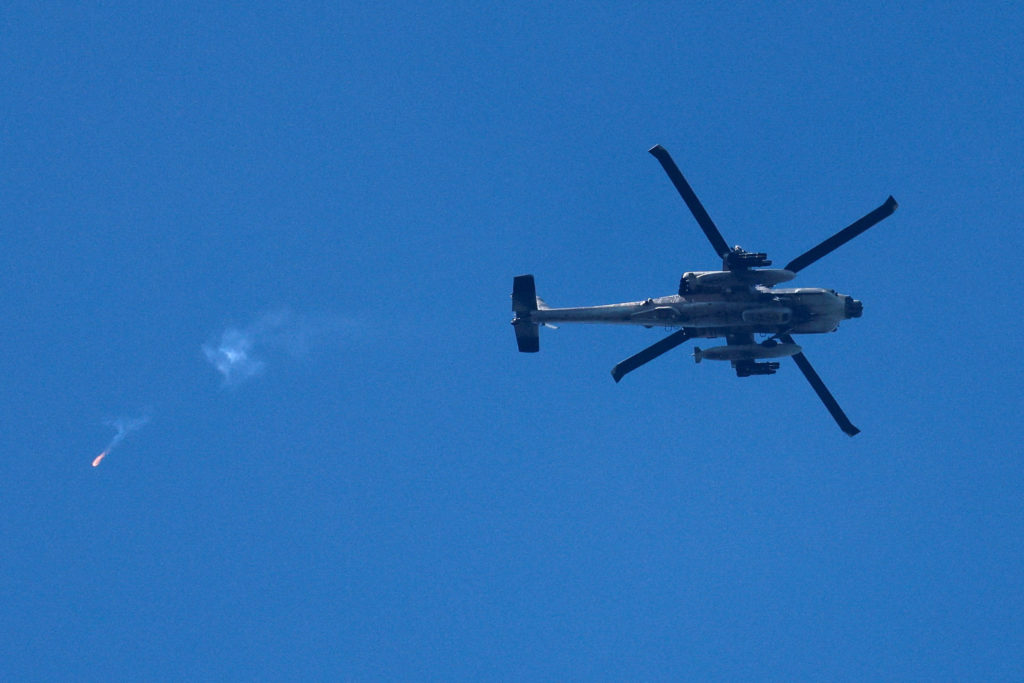
A fragile ceasefire in the Iran war came under immediate strain on Thursday as Israeli bombardment continued in Beirut and tensions remained high over Iran’s control of the Strait of Hormuz, one of the world’s most important energy chokepoints. Uncertainty also grew around talks expected on Saturday, with no clear sign that the sides were ready to narrow their differences.
What Happened
The ceasefire was already tentative when fresh military pressure unsettled it. Israeli strikes on Beirut underscored that hostilities linked to the wider conflict were still active, despite efforts to halt the fighting. At the same time, Iran’s leverage over the Strait of Hormuz remained a central flashpoint, keeping regional and global markets on edge.
The narrow waterway between Iran and Oman carries a large share of the world’s seaborne oil and gas trade. Any disruption there can quickly ripple through energy prices, shipping routes, and insurance costs well beyond the Middle East. That reality has made the standoff around the strait a concern not only for regional governments but also for major importers around the world.
Talks expected on Saturday were meant to test whether there was enough common ground to preserve the ceasefire and prevent the conflict from widening further. Instead, the continued military pressure and competing demands over Lebanon and the Hormuz corridor deepened doubts about whether diplomacy could outpace escalation.
Background
The wider war has drawn in multiple regional actors and sharpened long-running rivalries involving Iran, Israel, and armed groups across the Middle East. Lebanon has become one of the conflict’s most volatile fronts because of its proximity to Israel and the presence of Hezbollah, which has repeatedly been tied to cross-border tensions and military escalation.
The Strait of Hormuz has long been among the most strategically sensitive waterways in the world. Iran has repeatedly threatened to restrict access to the strait during periods of heightened confrontation, and even the prospect of interference has historically triggered concern in global energy markets. The corridor is especially important because it connects producers in the Gulf to customers in Asia, Europe, and beyond.
Efforts to secure ceasefires in the region have often faltered when battlefield developments and political negotiations move on separate tracks. In conflicts involving Iran and Israel, that gap can widen quickly, especially when military operations continue while diplomats seek a framework for restraint.
Why It Matters
The immediate question is whether the ceasefire can survive long enough for talks to produce a more durable pause in fighting. If it fails, the conflict could spread further across Lebanon and the broader region, raising the risk of more casualties and greater instability.
The stakes extend far beyond the Middle East. Any disruption at the Strait of Hormuz could affect global fuel prices, shipping costs, and supply chains, with knock-on effects for inflation and trade worldwide. For Panama and Latin America, that matters because higher energy and transport costs can feed into the price of imports, freight, and consumer goods, while broader instability in global markets can hit economies that depend on steady trade flows.
For Panama in particular, a shock to maritime routes or fuel prices would be felt quickly in a country shaped by shipping, logistics, and international commerce. A prolonged crisis in the Gulf would also add another layer of uncertainty to already fragile global trade conditions.
Whether Saturday’s talks can slow the escalation will be closely watched by governments, shipping interests, and energy markets alike. For now, the ceasefire remains alive, but only barely.