
What Happened
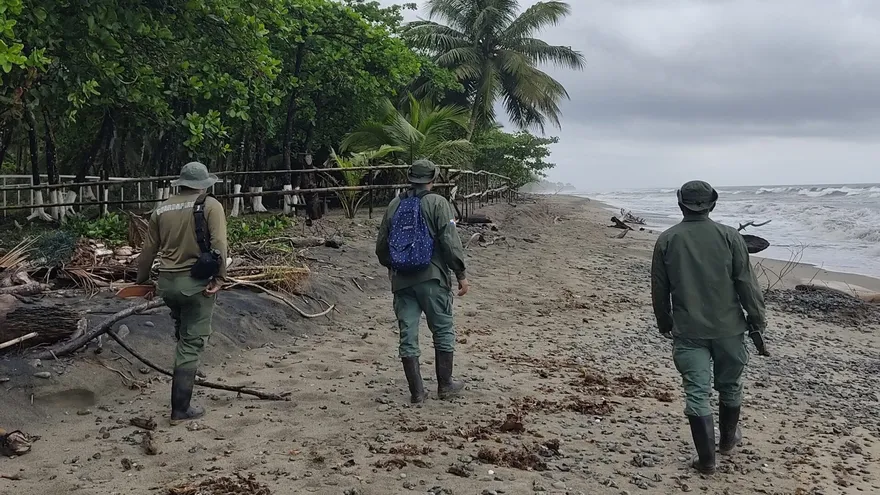
Environment officials have stepped up surveillance and training efforts to protect wildlife in the Parque Nacional Héctor Gallego in Veraguas, with a particular focus on stopping the extraction of iguana eggs. The reinforced actions are aimed at reducing pressure on the park’s reptile populations and deterring illegal collection inside protected areas.
The initiative combines field vigilance with educational work, reflecting a broader effort to safeguard Panama’s wildlife in one of the country’s protected natural areas. Iguana egg extraction can threaten reproduction and weaken local populations when it is carried out repeatedly.
Protection of Wildlife in Veraguas
Parque Nacional Héctor Gallego is part of Panama’s network of protected areas, where wildlife conservation depends on constant monitoring and public cooperation. In this case, the focus on iguanas highlights the vulnerability of species that are often targeted for their eggs, especially during breeding seasons.
Park rangers and environmental personnel are working to strengthen patrols and raise awareness among nearby communities and visitors. Those measures are intended not only to stop illegal extraction, but also to reinforce the importance of respecting protected habitats and the role they play in biodiversity conservation.
Why It Matters
Wildlife protection efforts in parks like Héctor Gallego are important for preserving ecological balance and supporting species survival over time. Iguanas are part of Panama’s native fauna, and protecting their nesting activity helps ensure healthy reproduction in the wild.
Efforts against egg extraction also send a broader message about the responsibilities that come with access to natural areas. Conservation in protected parks depends on enforcement, education, and continued vigilance to prevent activities that can damage fragile ecosystems.
Broader Conservation Context
Panama’s protected areas are a key part of the country’s environmental framework, serving as refuges for wildlife and helping maintain forests, watersheds, and habitats. Actions in Veraguas fit within that wider conservation mission, where environmental authorities regularly combine supervision with outreach to reduce illegal activity and encourage responsible behavior.
By intensifying operations in Parque Nacional Héctor Gallego, officials are underscoring the need to protect species during vulnerable stages of their life cycle and to preserve the natural resources that make Panama’s parks important for future generations.