
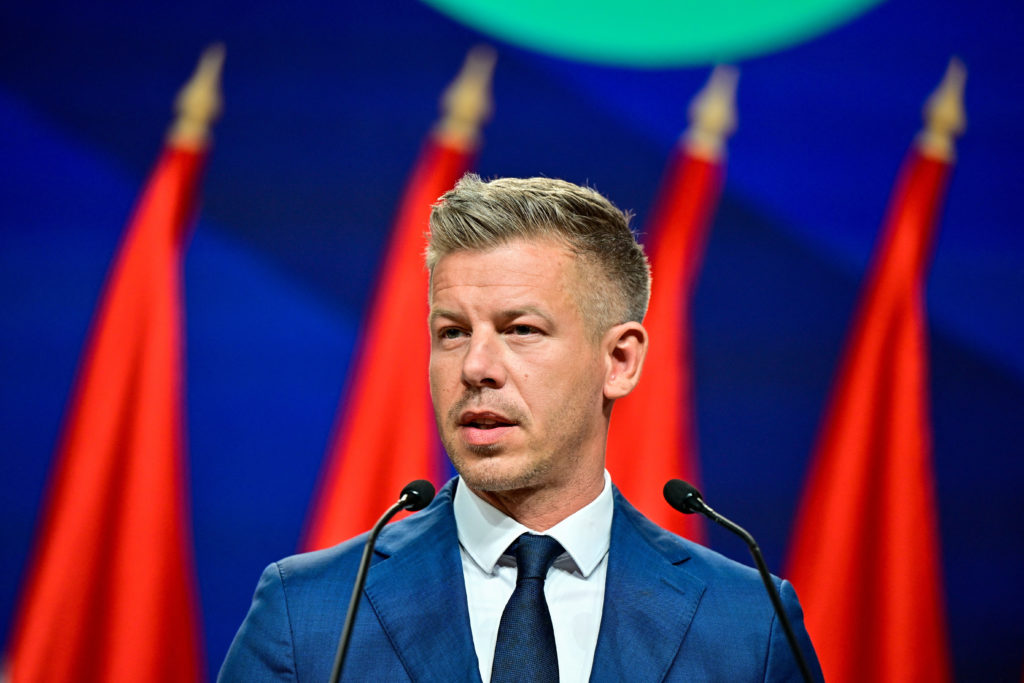
Hungarian opposition leader Péter Magyar says he would be willing to speak directly with Russian President Vladimir Putin about ending the war in Ukraine, after securing a sweeping election victory over Prime Minister Viktor Orbán, one of Moscow’s closest allies in the European Union.
What Happened
At his first news conference following the landslide win, Magyar said he would take a call from Putin if one came and indicated he would be prepared to urge an end to the fighting. His remarks immediately drew attention because they suggested a possible shift in Hungary’s posture toward Russia after years of close ties under Orbán.
Magyar framed the war in stark human terms, saying it would be good to end the killing. The comment placed his newly elevated political role alongside one of Europe’s most pressing security questions: whether any channel could help move Moscow toward a negotiated end to the conflict in Ukraine.
Background
Hungary has long stood apart within the European Union on relations with Russia. Under Orbán, Budapest has maintained a more conciliatory line toward the Kremlin than many of its European partners, even after Russia’s full-scale invasion of Ukraine in 2022. That stance has often put Hungary at odds with EU efforts to present a united front on sanctions, military aid, and diplomatic pressure on Moscow.
Magyar’s rise is significant because it comes from within a country that is both a member of NATO and the European Union and a neighbor to Ukraine. Hungary’s geographic position gives its government a direct stake in regional security, refugee flows, energy policy, and broader Central European stability. Any change in Budapest’s approach could therefore resonate beyond Hungary’s borders.
Putin’s war against Ukraine has already reshaped European politics, sharpened debates over defense spending, and deepened tensions between Russia and the West. Leaders across Europe continue to search for pathways toward peace, while Ukrainian officials and their allies insist that any settlement must not reward Russian aggression or leave Ukraine vulnerable to future attacks.
Why It Matters
Magyar’s comments matter because they hint at the possibility of a more assertive Hungarian role in diplomacy, even if that role remains undefined. A willingness to speak directly with Putin does not amount to a breakthrough, but it does signal that the political landscape in Hungary may be changing after years of Orbán’s dominance.
The broader stakes are significant for Europe, where the war has implications for security, energy markets, migration, and relations with the United States. Any fresh political shift inside an EU and NATO member state can affect the cohesion of Western policy toward Russia.
For Panama and Latin America, the relevance is indirect but real. The war has contributed to volatility in global energy and food markets, and prolonged conflict continues to influence shipping costs, inflation pressures, and the wider international order that shapes trade and diplomacy across the Americas.
Magyar’s victory, paired with his statement about Putin, ensures that Hungary will be watched closely in the coming months. Whether he can translate political momentum into real influence on the Ukraine war remains uncertain, but his early message suggests a desire to reposition Hungary in one of the defining conflicts of the decade.