
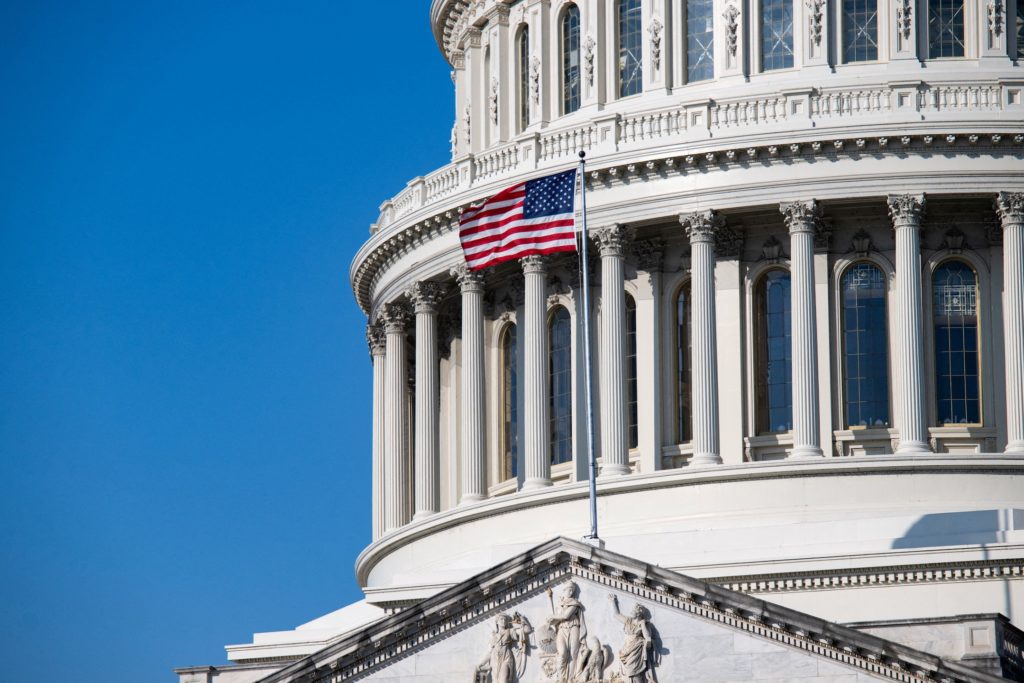
In a rare bipartisan break with the White House, the U.S. House is weighing legislation that would force the Trump administration to extend Temporary Protected Status for Haiti for three more years, offering hundreds of thousands of Haitian immigrants a continued legal path to remain in the United States.
What Happened
Lawmakers are set to vote on a bill Thursday that would require the administration to keep Haiti’s TPS designation in place for three years. Temporary Protected Status is a humanitarian program that allows people from countries facing conflict, natural disaster, or other extraordinary conditions to live and work legally in the United States without fear of deportation.
The measure comes as the Trump administration moves to end the program for Haitians, a step that would put many families at risk of losing protection and work authorization. The House action represents an unusual bipartisan effort to stop that rollback and preserve relief for one of the largest TPS populations in the country.
Background
Haiti has been designated for Temporary Protected Status for years because of a prolonged combination of crises, including political instability, gang violence, and repeated natural disasters. The program has been especially significant for Haitian migrants who arrived in the United States seeking safety and stability after the country’s 2010 earthquake and during later waves of violence and insecurity.
TPS has long been a flashpoint in U.S. immigration politics. Supporters say it is a humanitarian safeguard that prevents vulnerable people from being forced back into dangerous conditions. Critics argue that the program has been extended too often and too broadly, turning a temporary measure into a long-term form of legal residency for many migrants.
For Haiti, the stakes are especially high. The country continues to face deep insecurity, a fragile state apparatus, and a humanitarian crisis that has driven displacement across the Caribbean and beyond. Any change in U.S. immigration policy toward Haitians is closely watched throughout Latin America, where migration pressures already strain neighboring countries and transit routes.
Why It Matters
The House vote is significant because it tests whether Congress is willing to override the administration on a major immigration issue affecting a large Caribbean diaspora. If the bill advances, it could preserve legal status for Haitians already in the United States and avert disruption for employers, families, and communities that rely on TPS holders.
The decision also matters beyond Washington. U.S. immigration policy toward Haiti can influence regional migration patterns, especially in the Caribbean and Central America, where people often move onward toward the United States when conditions deteriorate at home.
For Panama and the wider region, the issue is part of a broader migration picture. Changes in U.S. protections for Haitians can affect flows through Latin American transit countries and shape diplomatic pressure on governments already dealing with migration management, humanitarian needs, and border security. Any shift that pushes more Haitians into irregular movement could add stress to regional migration routes already under strain.
The vote also reflects a larger political battle over the future of humanitarian protections in the United States. As the administration seeks to narrow immigration relief, Congress is signaling that at least some lawmakers want to preserve TPS as a tool for responding to instability abroad. That clash could shape not only the fate of Haitian immigrants, but also how the United States handles future crises in the region and beyond.
If approved, the bill would not resolve the broader debate over immigration policy. But it would represent a meaningful congressional rebuke to the administration and a temporary victory for Haitian families trying to maintain legal status in the United States while conditions in their homeland remain deeply unsettled.