
What Happened
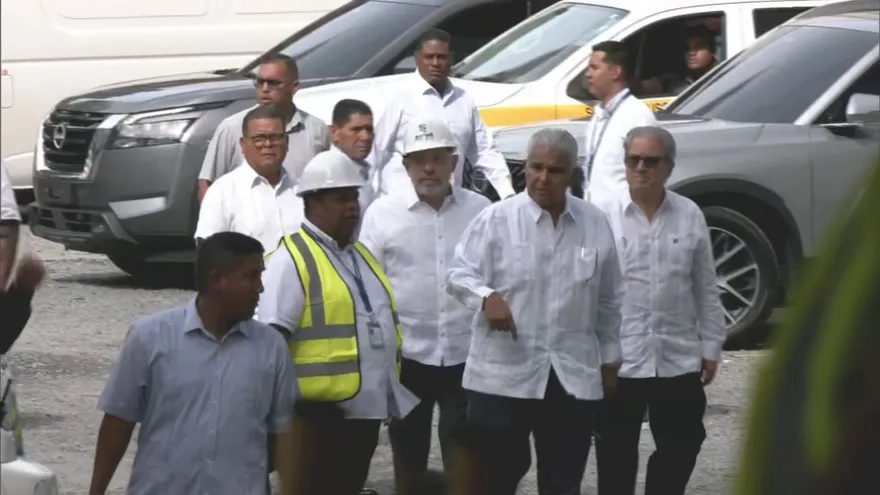
President José Raúl Mulino toured the construction site of Panama’s new Hospital del Niño, one of the country’s most important health projects. The visit highlighted a development that carries a price tag of $705.8 million and is designed to expand pediatric care capacity in the capital.
The project goes beyond the hospital building itself. The contract also covers equipment and maintenance, as well as work tied to the Maternity ward of Santo Tomás Hospital and adjacent areas. Restoration of the gardens is also included in the broader scope.
Why This Project Matters
The new Hospital del Niño is intended to strengthen public health infrastructure in Panama City and provide a more modern facility for children’s care. Major hospital investments like this are often central to improving service quality, updating medical technology, and easing pressure on older facilities.
Because the contract includes equipment and maintenance, the project is structured as more than a construction effort. That approach can help ensure the hospital opens with the systems and medical tools needed to operate from day one.
Timeline and Scope
Delivery of the hospital is projected for 2027. That schedule places the project among the country’s most closely watched public works, particularly because of its size and the role it is expected to play in the national health system.
The inclusion of the Maternity area at Santo Tomás Hospital adds another important layer to the investment. Together, these works reflect a broader effort to modernize key health facilities in Panama’s capital and surrounding areas.
Broader Context
Panama has continued to prioritize large-scale infrastructure projects in health, transportation, and public services. In that context, the new Hospital del Niño stands out as a major state investment aimed at improving access to specialized medical care for children and strengthening the public hospital network.
As construction moves forward toward the 2027 target, the project will remain significant for families, health workers, and government planners tracking the country’s public health capacity.