
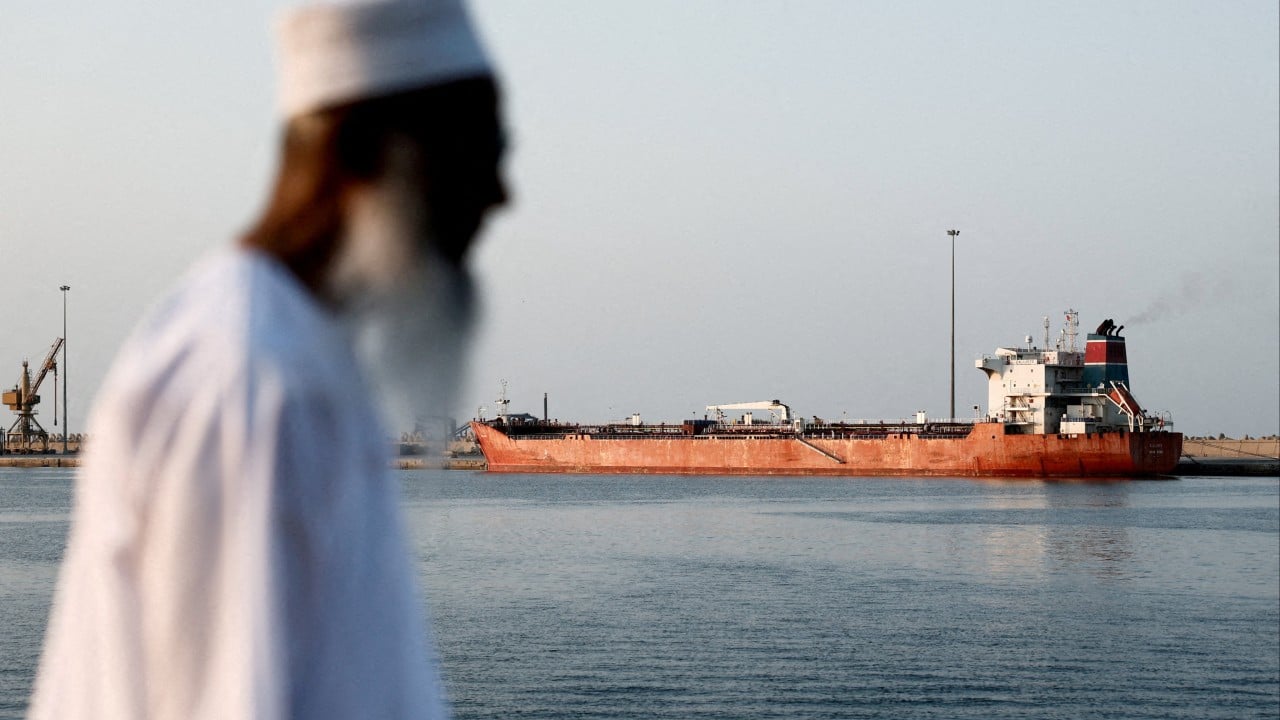
Global energy security is entering a more fragile phase as tensions involving the United States, Israel and Iran disrupt supplies and sharpen concern over the Strait of Hormuz, one of the world’s most important shipping lanes for oil and gas. Analysts say the upheaval is likely to accelerate long-running efforts by governments and companies to diversify energy sources and reduce dependence on vulnerable maritime routes.
What Happened
The conflict has caused what observers describe as a major interruption to global energy flows, even as Washington and Tehran are said to be discussing terms for reopening the Strait of Hormuz. The two sides have agreed to a two-week ceasefire, but they remain divided over the conditions for restoring full access to the waterway.
The Strait of Hormuz is a narrow passage between Iran and Oman through which a significant share of the world’s oil shipments travels. Any threat to traffic there immediately raises concern over supply disruptions, transport costs and energy prices across major importing regions.
Although the ceasefire has lowered the risk of immediate escalation, it has not erased the shock already delivered to international markets. The uncertainty alone is enough to prompt governments, utilities and industrial buyers to rethink how exposed they are to a single chokepoint in the global energy system.
Background
The Strait of Hormuz has long been one of the most strategically sensitive waterways in the world. For decades, regional tensions involving Iran have periodically raised alarms because even a temporary disruption can affect a large share of global petroleum trade.
In recent years, energy policy has already been shifting in several directions at once: more investment in renewable power, greater emphasis on domestic generation, and renewed interest in supply-chain resilience after shocks from the pandemic, the war in Ukraine and repeated instability in the Middle East. The latest crisis adds fresh urgency to those trends.
For importing countries, the lesson is familiar. Heavy reliance on seaborne fossil fuel shipments can create a strategic vulnerability when conflict threatens a critical maritime corridor. That is why governments have increasingly framed renewables not only as a climate policy, but also as a national security and economic stability issue.
Why It Matters
The renewed pressure on the Strait of Hormuz could accelerate investment in solar, wind, storage and electrification, especially in countries seeking to insulate themselves from oil shocks. It may also strengthen the argument for energy diversification in regions that depend heavily on imported fuel.
For Panama and Latin America, the broader significance lies in the potential impact on fuel prices, shipping costs and inflation. A sustained disruption in global oil flows can quickly filter through to transportation expenses, electricity costs and the price of imported goods. Countries that rely on the Panama Canal for trade also watch such crises closely, since spikes in maritime risk and fuel volatility can affect routing decisions, logistics planning and regional commerce.
The episode underscores a wider reality: energy transition is no longer only about emissions. For many governments, it is now also about reducing exposure to geopolitical shocks that can reverberate across continents in a matter of days.